Introduction: Building Strong Reading Foundations
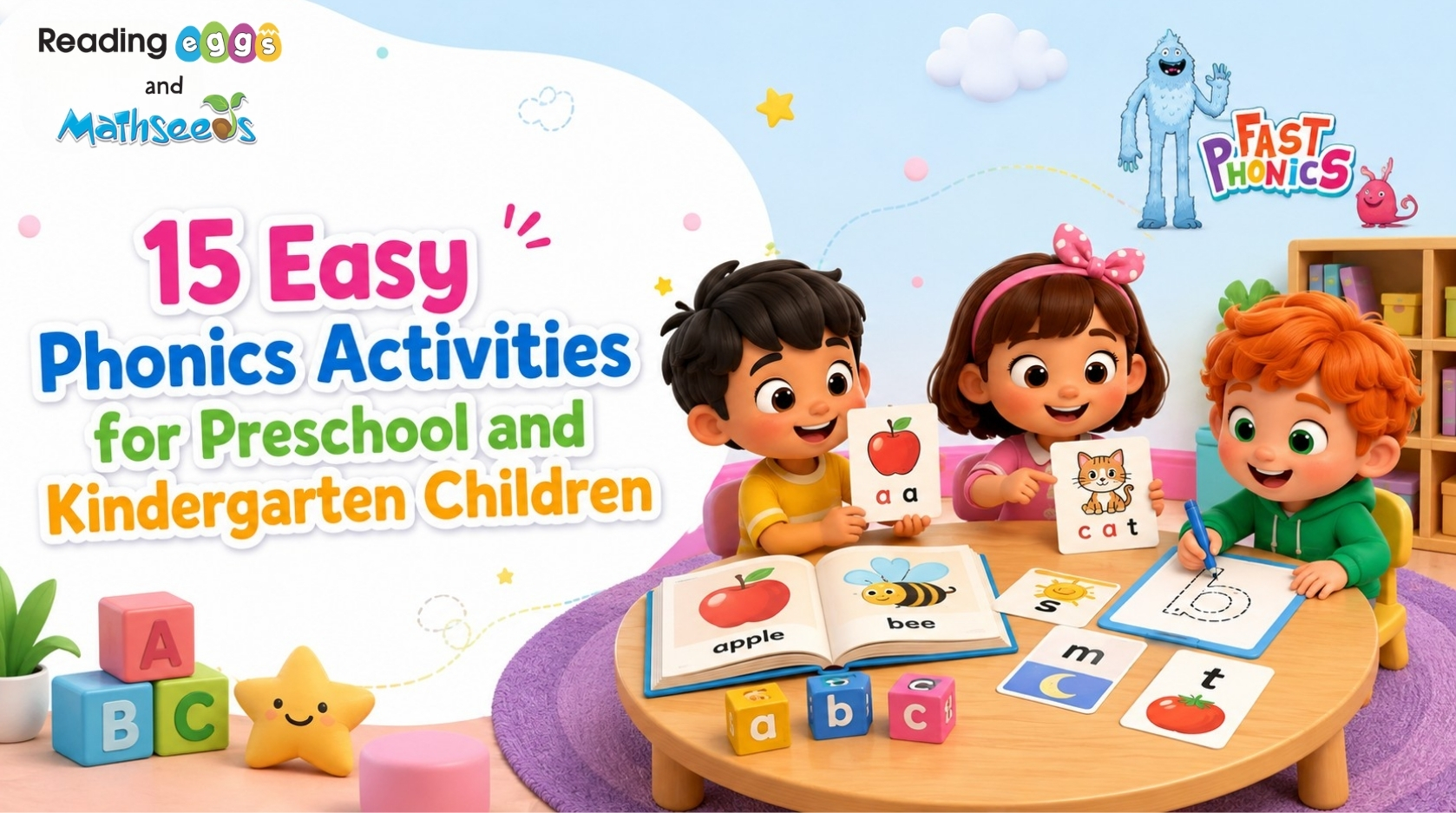
Teaching young children to read is one of the most rewarding experiences in early education. At the heart of this journey lies phonics—the systematic relationship between letters and sounds. Phonics worksheets for nursery students serve as essential tools that transform abstract letter concepts into tangible, enjoyable learning experiences.
For parents and educators seeking effective resources, understanding how to use phonics worksheets properly can make the difference between a child who struggles with reading and one who develops confidence and fluency from an early age.
What Are Phonics Worksheets and Why Do They Matter?
Phonics worksheets are structured learning materials designed to help children recognize letters, understand their corresponding sounds and eventually blend these sounds to form words. These worksheets are specifically tailored for young learners in nursery and preschool settings, making abstract concepts concrete through visual and interactive exercises.
Benefits of Phonics Worksheets for Early Learners
Letter Recognition: Children learn to identify both uppercase and lowercase letters through repeated exposure and tracing activities.
Sound Association: Worksheets help kids connect letters with their phonetic sounds, building the foundation for decoding words.
Fine Motor Development: Tracing and writing activities strengthen hand muscles necessary for future writing skills.
Independent Learning: Well-designed phonics worksheet preschool materials allow children to practice at their own pace, building confidence and self-reliance.
Preparation for Reading: Systematic phonics instruction through worksheets prepares children for successful reading comprehension.
How to Teach Phonics to Preschoolers: A Step-by-Step Approach
Understanding how to teach phonics to preschoolers requires a combination of patience, consistency and the right resources. Here's a comprehensive approach that works:
Start with Letter Sounds, Not Letter Names
Begin by introducing the sounds letters make rather than their names. For instance, teach the sound "mmm" for the letter M before teaching that the letter is called "em." This approach helps children start blending sounds into words more quickly.
Use Multi-Sensory Learning Techniques
Young children learn best when multiple senses are engaged. Combine phonics worksheets with:
- Visual aids: Colorful pictures that represent letter sounds
- Auditory practice: Saying sounds aloud repeatedly
- Kinesthetic activities: Tracing letters in sand, air, or on textured surfaces
- Tactile experiences: Using letter manipulatives alongside worksheets
Follow a Sequential Progression
Start with simple, frequently used letters like S, A, T, P, I and N. These letters allow children to form simple words quickly, providing early success and motivation. Progress gradually to more complex letter combinations and blends.
Make It Fun and Engaging
The best phonics worksheet for nursery students incorporates playful elements. Look for worksheets that include:
- Coloring activities that reinforce letter recognition
- Matching games connecting pictures to initial sounds
- Dot-to-dot exercises forming letters
- Simple mazes that follow letter paths
Practice Consistency Over Intensity
Short, daily practice sessions of 10-15 minutes are far more effective than lengthy, infrequent sessions. Regular exposure helps cement learning without overwhelming young minds.
Essential Types of Phonics Worksheets for Nursery
Different worksheets target different skills. Here are the most effective types for nursery-age children:
1. Alphabet Tracing Worksheets: These foundational worksheets help children develop proper letter formation. They typically feature dotted letters that children trace, building muscle memory and letter recognition simultaneously.
2. Beginning Sound Worksheets: Children identify the first sound they hear in a word and match it to the correct letter. For example, they might circle the letter B for a picture of a ball.
3. Letter-Picture Matching Worksheets: These worksheets present letters alongside multiple pictures, asking children to identify which pictures start with the given letter sound.
4. Sound Sorting Activities: Children sort pictures or words based on their initial, medial, or final sounds, developing phonemic awareness crucial for reading success.
5. CVC (Consonant-Vowel-Consonant) Word Building: Simple three-letter words like "cat," "dog," and "pen" help children practice blending sounds together—the essential skill for reading.
Best Practices for Using Phonics Worksheets Effectively
Simply handing a child a worksheet isn't enough. Here's how to maximize their learning potential:
Create a Dedicated Learning Space: Establish a quiet, well-lit area free from distractions where your child can focus on their phonics practice.
- Demonstrate Before They Practice: Show your child how to complete each type of worksheet before asking them to work independently. Model the correct pronunciation of sounds clearly.
- Provide Immediate, Positive Feedback: Review completed worksheets promptly, celebrating successes and gently correcting mistakes. Positive reinforcement builds confidence and enthusiasm.
- Combine Worksheets with Real-World Application: After completing a worksheet about the letter B, go on a "B hunt" around your home, finding objects that start with the B sound. This reinforces learning through practical application.
- Use Technology as a Supplement: While worksheets are valuable, complementing them with interactive digital learning programs can enhance engagement. Platforms like Reading Eggs offer systematic phonics instruction through animated lessons and interactive activities that align perfectly with traditional worksheet practice.
Age-Appropriate Expectations for Phonics Learning
- Ages 2-3: Children begin recognizing some letters, especially those in their own names. Simple alphabet exposure through songs and picture books is appropriate.
- Ages 3-4: Most children can recognize several letters and begin connecting some letters to their sounds. Basic phonics worksheet preschool activities focusing on initial sounds work well at this stage.
- Ages 4-5: Children typically master letter recognition and can identify initial and final sounds in words. They're ready for more complex phonics worksheets involving blending and simple word building.
- Ages 5-6: Most children can decode simple CVC words and are ready for more advanced phonics patterns like digraphs (sh, ch, th) and blends (bl, st, cr).

Creating a Comprehensive Phonics Learning Environment
Phonics worksheets for nursery students work best as part of a holistic literacy environment:
Build a Print-Rich Environment: Surround children with labels, alphabet charts and word walls. Seeing letters and words in context reinforces worksheet learning.
Read Aloud Daily: Regular read-aloud sessions expose children to rich vocabulary, proper pronunciation and the joy of stories, motivating them to learn to read independently.
Use Systematic Phonics Programs
Structured programs that progress logically through phonics skills ensure no gaps in learning. Reading Eggs, designed specifically for Pre-Nursery to Class 2, provides a comprehensive curriculum that systematically builds phonics skills through one-on-one lessons covering letter sounds, sight words and reading comprehension.
Integrating Phonics Worksheets with Digital Learning
Modern education benefits from blending traditional and digital approaches. After completing phonics worksheets, reinforce learning through:
- Animated phonics lessons that demonstrate letter sounds in engaging ways
- Interactive games that provide immediate feedback
- Progress tracking systems that identify areas needing additional practice
- Reward systems that motivate continued learning
Reading Eggs combines all these elements with traditional worksheet practice, offering 3,500+ eBooks that allow children to immediately apply their phonics skills to actual reading, creating a seamless learning experience from letter recognition to reading fluency.
Conclusion: Setting Your Child Up for Reading Success
Phonics worksheets for nursery students are powerful tools in the journey toward literacy, but they're most effective when part of a comprehensive, engaging learning approach. By understanding how to teach phonics to preschoolers through systematic instruction, multi-sensory activities and consistent practice, you provide children with the foundational skills they need for lifelong reading success.
Remember that every child learns at their own pace. Celebrate small victories, maintain patience during challenges and keep learning fun. With the right combination of quality worksheets, engaging activities and supportive instruction, you're giving your child the gift of literacy—one that will benefit them throughout their entire life.
Ready to start your child's phonics journey? Explore comprehensive phonics programs like Reading Eggs and Mathseeds that combine systematic worksheet practice with interactive digital lessons, providing everything needed for successful early literacy development. With 24/7 unlimited access and resources from Pre-Nursery through Class 8, you can support your child's learning journey at every stage.
Start your child's phonics adventure today and watch their confidence grow as they unlock the magical world of reading!
Frequently Asked Questions
Q: At what age should I start phonics worksheets with my child?
A: Most children are ready for simple phonics activities around age 3-4, starting with letter recognition and basic sound awareness. However, every child develops differently, so follow your child's interest and readiness cues.
Q: How many phonics worksheets should my child complete daily?
A: Quality matters more than quantity. One or two well-designed worksheets completed with focus and understanding are better than many rushed through without comprehension. Aim for 10-15 minutes of focused practice daily.
Q: Can phonics worksheets replace reading books to my child?
A: No. Phonics worksheets teach decoding skills, while reading aloud builds vocabulary, comprehension and a love for reading. Both are essential and complement each other perfectly.
Q: What if my child resists doing phonics worksheets?
A: Make it playful and pressure-free. Use stickers, stamps, or special pencils to make worksheet time special. If resistance continues, take a break and try again later with different, more engaging materials.
Q: Are digital phonics programs better than printable worksheets?
A: Both have value. Digital programs offer interactivity and immediate feedback, while printable worksheets develop fine motor skills and allow for tactile learning. The best approach uses both methods together.