Introduction: The Foundation of Early Literacy
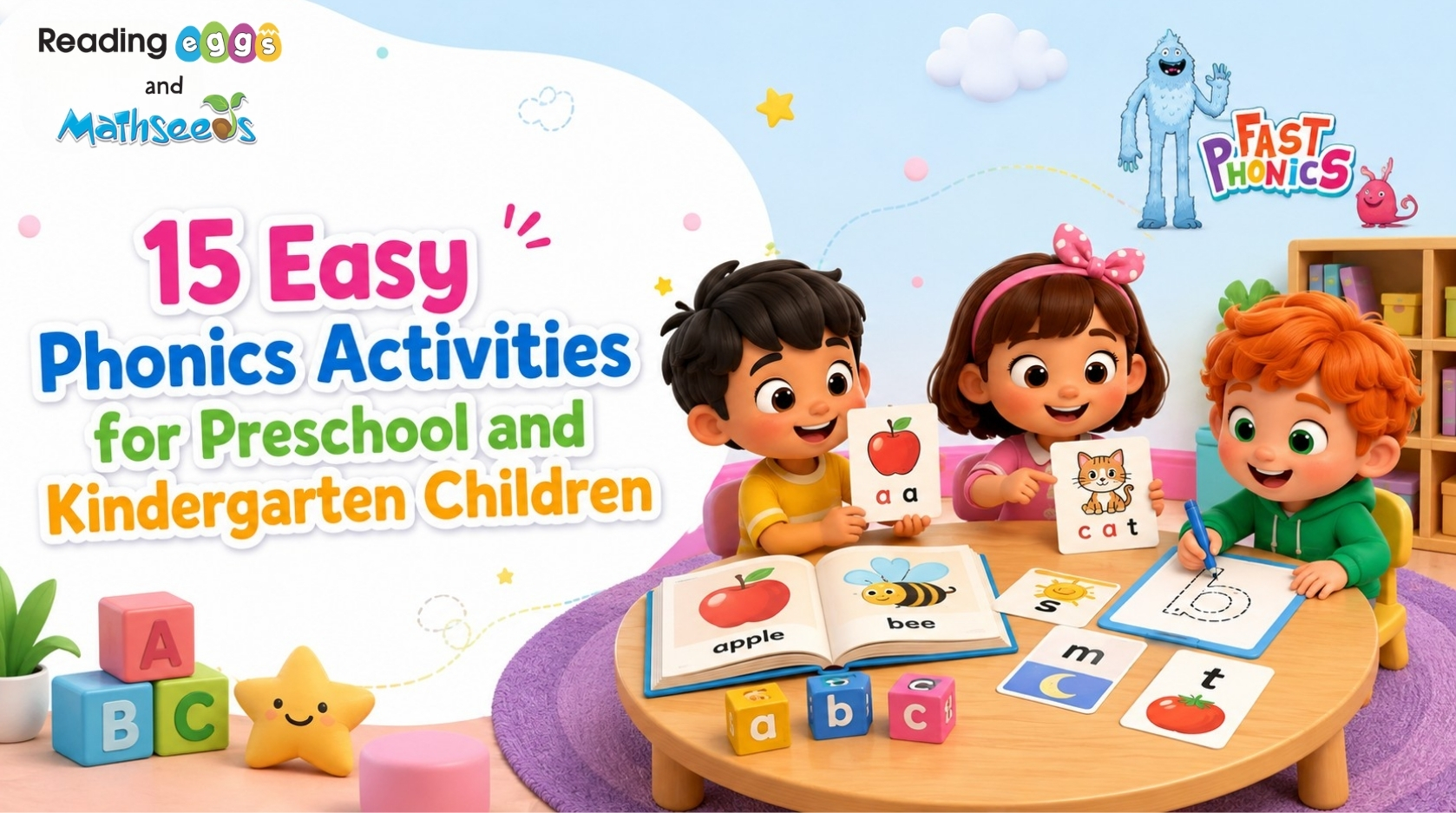
Teaching phonics to young children is one of the most valuable gifts you can give them. As a parent or educator wondering how to teach phonics to preschoolers, you're embarking on a journey that will unlock the magical world of reading for your child. Phonics instruction helps children understand the relationship between letters and sounds, forming the cornerstone of literacy development.
Research shows that systematic phonics instruction in the preschool years significantly improves reading outcomes. However, the key lies not just in teaching phonics, but in teaching it effectively through engaging, age-appropriate methods that make learning feel like play rather than work.
Understanding Phonics: What Every Parent Should Know
Before diving into teaching strategies, it's essential to understand what phonics actually means. Phonics is a method of teaching reading by correlating sounds with letters or groups of letters. Unlike whole-word recognition, phonics gives children the tools to decode unfamiliar words independently.
For preschoolers, phonics instruction focuses on:
Letter Recognition: Identifying both uppercase and lowercase letters visually.
Phonemic Awareness: Understanding that words are made up of individual sounds.
Sound-Symbol Correspondence: Connecting specific letters with their sounds.
Blending: Combining individual sounds to form words.
Segmenting: Breaking words apart into individual sounds.
These foundational skills, when taught correctly, prepare children for successful reading and spelling throughout their academic journey.
Start with Phonemic Awareness Activities
Before introducing letters, preschoolers need to develop phonemic awareness—the ability to hear and manipulate sounds in spoken words. This crucial pre-reading skill makes later phonics instruction far more effective.
Simple Phonemic Awareness Activities
Rhyme Time: Read rhyming books together and encourage your child to identify words that sound similar. Create silly rhymes with your child's name or favorite objects.
Sound Sorting: Use everyday objects around your home. Ask your child to group items that start with the same sound, like "ball," "book," and "banana."
Clapping Syllables: Help children understand word parts by clapping out syllables in familiar words. Their name is a perfect starting point: "Sam-an-tha" gets three claps.
Initial Sound Games: Play "I Spy" focusing on beginning sounds: "I spy something that starts with the 'mmm' sound."
These playful activities build the auditory discrimination skills necessary for understanding how letters represent sounds.
Introduce Letters and Their Sounds Systematically
When teaching phonics to preschoolers, sequence matters tremendously. Don't simply follow alphabetical order—instead, introduce letters strategically for maximum success.
The Most Effective Letter Introduction Sequence
Start with the most common and useful letters: S, A, T, P, I, N. Why these letters? They allow children to form simple words quickly (sat, pat, pan, tap, tin), providing early success and motivation.
Focus on Letter Sounds First: Teach the sound "sss" for the letter S before teaching that the letter is called "ess." This approach helps children start reading sooner.
Use Multi-Sensory Learning: Engage multiple senses simultaneously. Have children trace letters in sand, form them with playdough, or write them with finger paint while saying the sound aloud.
Make It Visual and Memorable: Associate each letter with a memorable image. The letter S can be a slithering snake making a "sss" sound.
Practice with Phonics Worksheet Preschool Materials: Quality phonics worksheet preschool resources reinforce letter-sound connections through tracing, matching and identification exercises.
Utilize Effective Phonics Worksheets
Phonics worksheet for nursery and kindergarten students serve as powerful learning tools when used correctly. However, worksheets should complement, not replace, hands-on activities.
Types of Worksheets That Work Best
Letter Tracing Worksheets: These develop fine motor skills while reinforcing letter recognition. Choose worksheets with large, clear letters and directional arrows showing proper formation.
Beginning Sound Worksheets: Children identify pictures and circle or color those beginning with a target sound. These worksheets strengthen sound-symbol connections.
Letter Matching Activities: Phonics worksheet for kg students often include matching uppercase to lowercase letters or matching letters to pictures of words starting with that sound.
Sound Sorting Sheets: Children cut and paste pictures under the correct beginning letter, combining kinesthetic activity with phonics practice.
CVC Word Building: Simple consonant-vowel-consonant words like "cat," "dog," and "sun" help children practice blending sounds together.
How to Maximize Worksheet Effectiveness
Keep worksheet sessions short—10 to 15 minutes maximum for preschoolers. Longer sessions lead to frustration and resistance.
Always complete one example together before letting your child work independently. Demonstrate clearly while verbalizing your thinking process.
Provide immediate, positive feedback. Review completed worksheets promptly, celebrating successes enthusiastically and gently correcting errors.
Make it special by using colorful markers, stickers, or stamps as rewards for completed work.
Incorporate Interactive Phonics Games
Learning phonics doesn't have to feel like traditional schoolwork. Games transform phonics practice into enjoyable playtime.
Engaging Phonics Games for Preschoolers
Letter Hunt: Hide magnetic letters around a room and have children find them, saying the sound each time they discover one.
Sound Hop: Create letter circles on the floor with tape or paper. Call out a sound and children hop to that letter.
Fishing for Letters: Make paper fish with letters on them, attach paper clips and use a magnetic fishing rod. Children "catch" letters and say their sounds.
Sound Memory Match: Create pairs of cards—one with a letter, one with a picture of something starting with that sound. Play memory games matching pairs.
Playdough Letters: Children form letters from playdough while practicing their sounds, combining tactile learning with phonics practice.
These games make phonics instruction feel natural and fun, crucial for maintaining preschooler engagement and enthusiasm.
Blend Sounds into Simple Words
Once children know several letter sounds, begin teaching them to blend sounds together—the essential skill for reading.
Effective Blending Techniques
Start with Continuous Sounds: Letters like M, S, F and N can be stretched out, making blending easier. The word "man" works better as an initial blending exercise than "top."
Use Hand Motions: Push your hands together while blending sounds, giving children a visual representation of combining sounds into words.
Sound Buttons: Place dots under each letter in a word. Touch each dot while saying the sound, then slide your finger under the whole word while blending.
Magnetic Letters: Physically push letter tiles together while blending their sounds, making the abstract concept concrete.
Digital Support: Interactive programs like Reading Eggs & Mathseeds provide animated lessons that demonstrate blending visually, helping children understand this crucial concept through engaging, self-paced activities.
Create a Print-Rich Learning Environment
The environment surrounding your child significantly impacts phonics learning success.
Building a Literacy-Rich Space
Label Everything: Put word labels on objects around your home or classroom—door, chair, table, window. Children see words in context daily.
Alphabet Charts: Display colorful alphabet charts at child eye-level, featuring both uppercase and lowercase letters with corresponding pictures.
Word Walls: Create a growing collection of sight words and phonics patterns your child has learned, celebrating their expanding reading abilities.
Book Access: Maintain an accessible library of age-appropriate books, including decodable readers that allow children to practice their emerging phonics skills.
Letter Magnets: Keep magnetic letters on the refrigerator for spontaneous phonics practice during everyday moments.
This constant exposure to print reinforces formal phonics instruction naturally throughout the day.
Establish a Consistent Learning Routine
Consistency proves far more valuable than intensity when teaching phonics to young children.
Creating an Effective Phonics Routine
Daily Practice: Even just 10-15 minutes of focused phonics work daily produces better results than longer, sporadic sessions.
Same Time, Same Place: Establish a predictable routine. Children thrive on consistency and knowing what to expect.
Variety Within Structure: While maintaining a routine time, vary the activities—worksheets one day, games the next, hands-on activities another day.
Follow Your Child's Lead: If your preschooler seems tired or frustrated, stop and try again later. Forcing phonics practice creates negative associations.
Integrate Reading Time: Always follow phonics practice with reading together, showing children the purpose and pleasure of their hard work.
Reading Eggs & Mathseeds offers a systematic, structured approach from Pre-Nursery to Class 2, providing one-on-one lessons that teach phonics, sight words and reading skills in carefully sequenced progression.
Combining Traditional and Digital Learning Approaches
Modern phonics instruction benefits from blending traditional methods with technology when used thoughtfully.
Benefits of Digital Phonics Programs
Immediate Feedback: Digital programs provide instant correction and encouragement, helping children learn from mistakes immediately.
Engaging Animations: Animated characters and colorful graphics maintain preschooler attention longer than static worksheets alone.
Self-Paced Learning: Children can repeat lessons as needed without feeling judged, building confidence through mastery.
Progress Tracking: Parents and teachers can monitor development systematically, identifying areas needing extra support.
Systematic Progression: Quality programs ensure proper sequencing, preventing gaps in phonics knowledge.
However, digital learning should supplement, not replace, hands-on activities and personal interaction. The ideal approach combines phonics worksheet for nursery students with interactive games, read-aloud time and digital reinforcement through platforms like Reading Eggs, which offers 5,000 worksheets alongside animated lessons and interactive activities.
Conclusion: Setting Your Preschooler Up for Reading Success
Learning how to teach phonics to preschoolers effectively requires patience, consistency, creativity and understanding of child development. By following systematic instruction, incorporating multi-sensory activities, using quality phonics worksheets for kg resources and maintaining enthusiasm, you provide your child with strong literacy foundations.
The key is making phonics instruction feel natural and enjoyable. When children associate reading with fun, exploration and success, they develop not just the skills but also the love of reading that will serve them throughout life.
Remember to celebrate small victories, stay patient during challenges and keep learning joyfully. Every child can learn to read with the right support, encouragement and instruction.
Ready to begin your child's phonics journey with expert-designed resources? Explore comprehensive programs like Reading Eggs & Mathseeds that combine systematic phonics instruction with engaging activities, offering everything with 24/7 unlimited access to thousands of worksheets, interactive lessons and eBooks.
Start today and watch your preschooler discover the joy of reading!
Frequently Asked Questions
Q: What age should I start teaching phonics to my child?
A: Most children are ready to begin phonics instruction around age 3-4, starting with phonemic awareness and letter recognition. However, readiness varies by child, so follow your child's interest and developmental cues.
Q: How long should daily phonics practice last for preschoolers?
A: Keep sessions short and focused—10 to 15 minutes of intentional phonics practice daily is ideal for preschoolers. Their attention spans are limited and quality matters more than duration.
Q: Should I teach uppercase or lowercase letters first?
A: Start with lowercase letters, as they appear more frequently in books. However, many children naturally show interest in uppercase letters first, especially those in their names. Follow your child's lead.
Q: My child confuses similar letters like 'b' and 'd'. What should I do?
A: This is very common. Use multisensory techniques like forming the letters with your body or hands. For 'b', make a fist with your left thumb up—it forms a 'b'. Practice one letter thoroughly before introducing the other.
Q: Can I teach phonics without formal worksheets?
A: Absolutely! While phonics worksheet preschool materials are helpful, hands-on activities, games and real-world letter exploration are equally valuable. The best approach combines multiple methods for varied, engaging learning experiences.