My Child Hates Maths: 7 Proven Ways to Turn Early Maths Anxiety Into Confidence
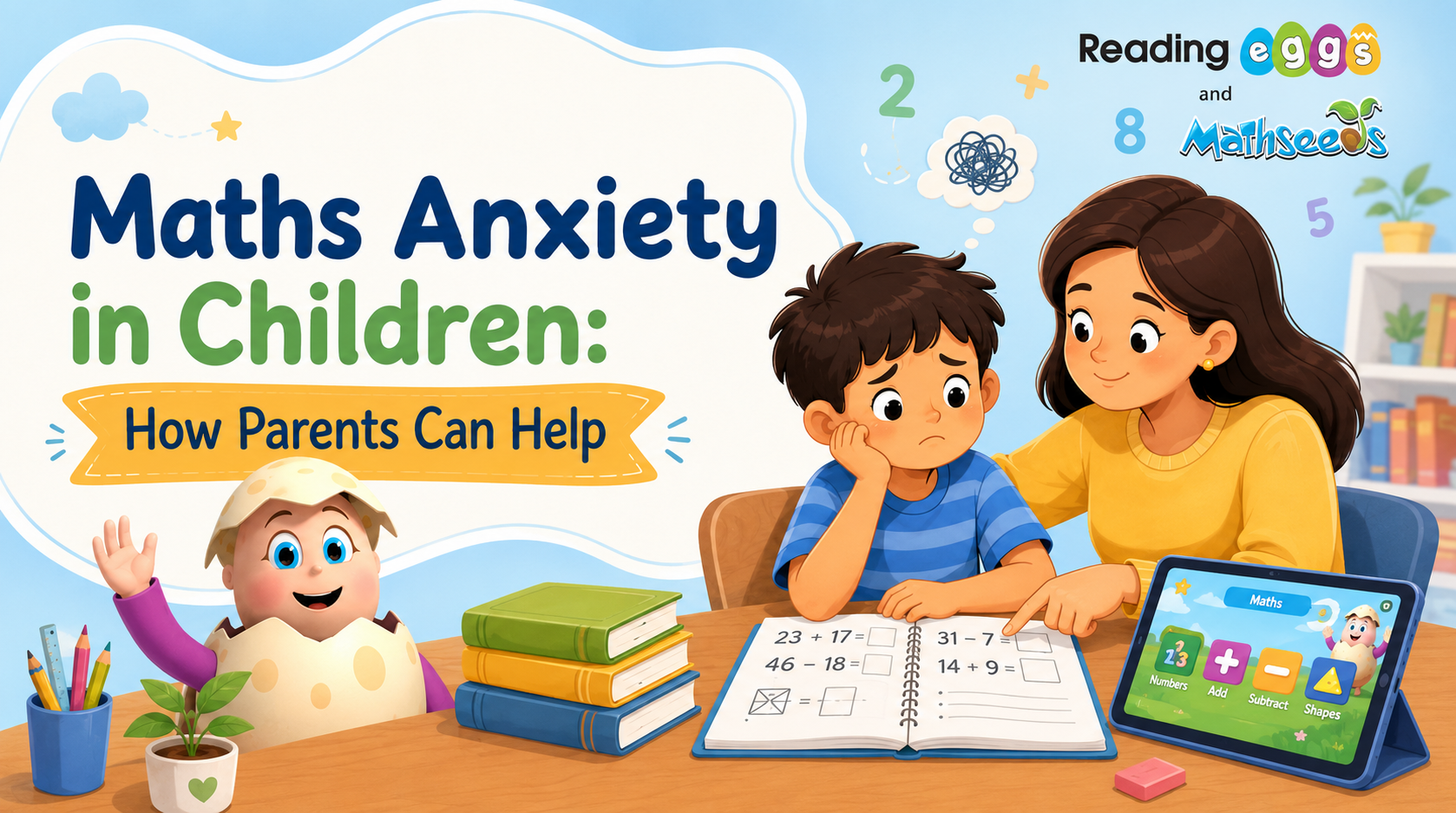
It starts subtly. A reluctance to open the maths workbook. Tears before a mental arithmetic test. A small voice at the dinner table saying, "I'm just not good at maths, Mummy."
If this sounds familiar, you are not alone. Maths anxiety — a genuine feeling of fear, stress, or dread around numbers and mathematical tasks — affects a significant number of young children. Research suggests that it can begin as early as age five, and if left unaddressed, it can follow a child through their entire school career, limiting their academic choices and self-belief long into adulthood.
But here is the reassuring truth: maths anxiety is not a fixed condition, and it is not a reflection of your child's ability. With the right approach, the right tools, and a little patience, even the most number-averse child can develop genuine confidence and a love for learning maths.
In this blog, we share 7 proven strategies — backed by research in early childhood education — to help you turn your child's maths anxiety into maths confidence, starting today.
Understanding Maths Anxiety: What Is Really Going On?
Before we explore solutions, it helps to understand the problem. Maths anxiety is not simply disliking maths. It is a psychological response — an actual feeling of tension, apprehension, or fear — that arises when a child is faced with numerical tasks. Brain imaging studies have shown that maths anxiety activates the same neural regions associated with physical pain. For an anxious child, opening a maths book can feel genuinely threatening.
Common signs of maths anxiety in young children include:
- Avoidance of maths activities or homework
- Frequent complaints of stomachaches or headaches before maths lessons
- Negative self-talk such as "I can't do this" or "I'm stupid at maths"
- Rushing through maths tasks without engaging, or freezing entirely
- Becoming distressed or tearful when asked maths questions
Understanding that this is a real, measurable emotional response — not laziness, not lack of intelligence — is the first step towards helping your child overcome it.
7 Proven Ways to Build Early Maths Confidence
1. Change the Story Around Maths
Children absorb the attitudes of the adults around them. If parents say things like "I was never good at maths either" or "Maths is so hard", children internalise these beliefs as fixed truths about themselves and their family. This is known as a fixed mindset — the belief that ability is inherited rather than developed.
Research by Professor Carol Dweck of Stanford University shows that teaching children a growth mindset — the understanding that the brain grows stronger with effort and practice — significantly improves both confidence and performance in maths.
Start by reframing the language at home. Replace "I'm not a maths person" with "I find some parts of maths tricky, but I keep trying." Praise effort over outcome: "I'm so proud of how hard you worked on that problem" rather than "You're so clever." These small shifts in language create big shifts in belief.
- Make Maths Part of Everyday Life
One of the biggest misconceptions children have about maths is that it only exists in textbooks and on test papers. In reality, maths is everywhere — and showing children this can completely transform how they feel about it.
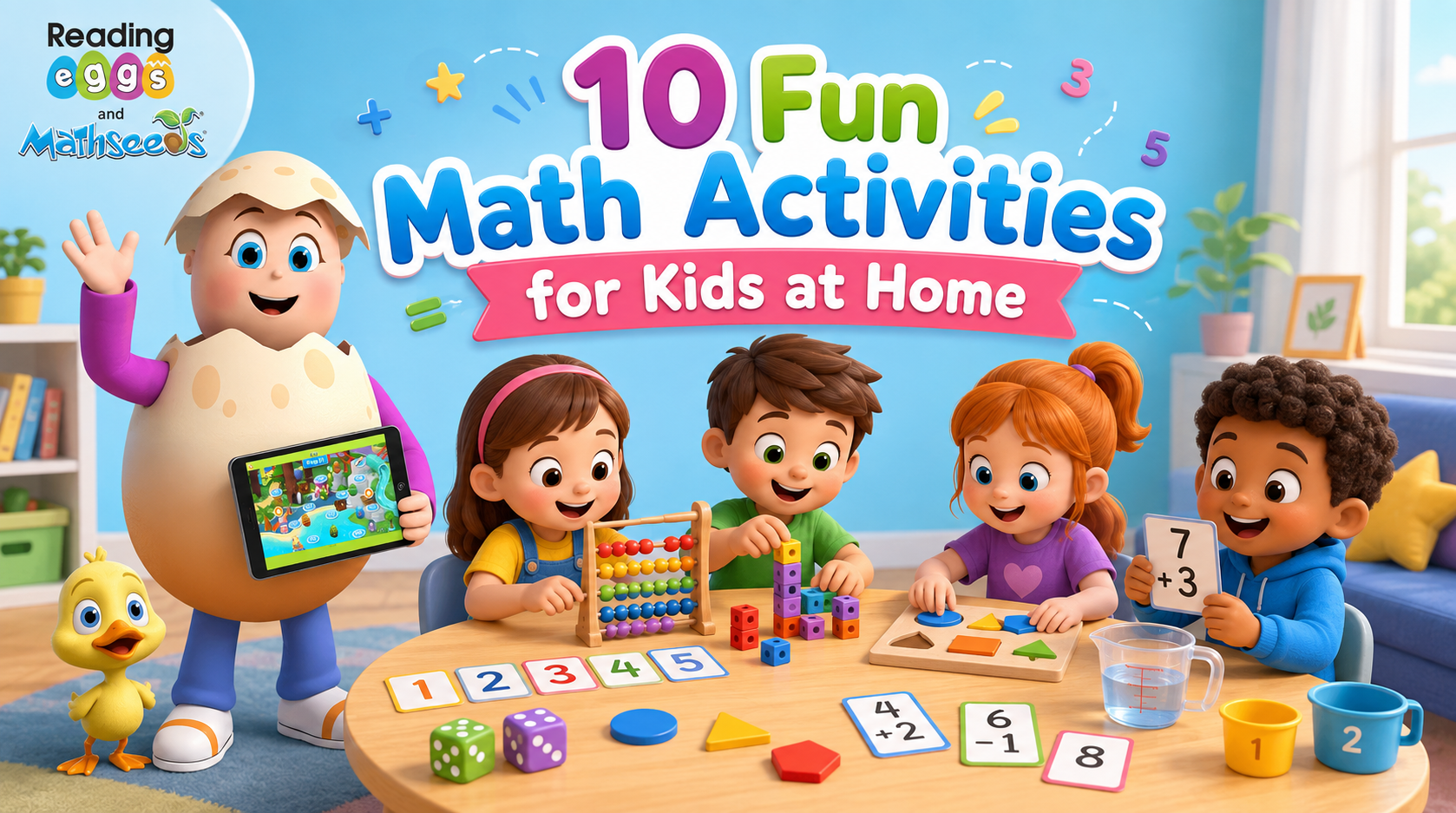
Count steps on the staircase. Halve a recipe together in the kitchen. Ask your child to work out the change at the supermarket. Sort laundry by colour and count the items. Measure ingredients for a favourite dish. These everyday activities embed mathematical thinking in contexts that feel safe, playful, and purposeful — far removed from the anxiety of a formal assessment.
When maths feels like a natural part of life rather than a school subject to be dreaded, children's relationship with it begins to shift.
- Start Where Your Child Is — Not Where They "Should" Be
Maths anxiety often develops when children are pushed ahead before they are ready, leaving gaps in foundational understanding that make every new topic harder. A child who has not yet fully grasped number bonds to ten will struggle with addition, which will make subtraction harder, which will make multiplication feel impossible — and the anxiety compounds with every step.
The solution is to go back, without shame or judgment, and rebuild from solid ground. This is precisely the approach that Mathseeds — part of the Reading Eggs programme — takes. Mathseeds places each child at exactly the right level through a structured, sequential curriculum designed for Nursery to Class 5. Its animated lessons break concepts down into small, manageable steps, ensuring no child is pushed forward before they are truly ready.
When children experience consistent success — even with small, carefully scaffolded challenges — their confidence grows naturally and organically.
- Use Play and Games to Reduce the Stakes
Formal maths tasks carry pressure. Games do not. And yet from a learning perspective, they are equally valuable. Board games, card games, puzzles, and building activities all develop mathematical thinking — number sense, spatial reasoning, pattern recognition, and logical sequencing — in an environment where making mistakes is simply part of the fun.
Games like Snakes and Ladders, Uno, dominoes, or simple dice games build number familiarity without any of the anxiety associated with "proper" maths. For screen-based learning, Mathseeds is built entirely around this principle. Its interactive games and activities are designed to feel like play — engaging, colourful, and rewarding — while quietly delivering structured mathematical learning aligned with the school curriculum.
Children who enjoy their maths practice do more of it. And more practice, done joyfully, builds the fluency that confidence requires.
- Celebrate Small Wins — Loudly and Genuinely
Anxious children often feel that unless they get everything right, they have failed. This perfectionism is paralysing. The antidote is to make success visible, frequent, and celebrated — not just for correct answers, but for effort, persistence, and improvement.
Keep a simple "maths wins" chart on the fridge. Write down one maths thing your child did well each day — even something as small as "counted backwards from 10 without any help" or "remembered that 5 + 5 = 10." Review it together at the end of the week.
Mathseeds reinforces this beautifully through its in-built reward system. Children earn golden acorns, unlock new pets, and receive certificates as they progress through lessons — creating a steady stream of small, meaningful achievements that keep motivation high and anxiety low.
- Read Maths Stories Together
Books are one of the most underused tools for building maths confidence. Maths-themed picture books and stories normalise numbers, present mathematical problems in narrative contexts, and show characters working through challenges with persistence — without the pressure of a formal exercise.
Books like The Very Hungry Caterpillar introduce counting and sequences. Anno's Mysterious Multiplying Jar explores multiplication through beautiful illustrations. Even simple stories that involve measurement, time, or money build mathematical vocabulary and comfort in a deeply unthreatening way.
Reading Eggs & Mathseeds. supports this approach through its extensive eBook library — with over 3,500 books covering a wide range of topics, including number concepts — allowing children to explore maths through reading in a relaxed, self-paced environment.
- Be Patient — and Seek the Right Support
Maths anxiety does not disappear overnight. It builds over time, and it takes time — along with consistency, encouragement, and the right resources — to unwind. The most important thing you can do as a parent is remain calm, positive, and patient. Your child will take their emotional cues from you.
If your child is significantly behind at school, consider speaking to their teacher to understand exactly where the gaps lie. At home, a structured online learning programme like Mathseeds provides the kind of individualised, self-paced practice that is difficult to replicate in a busy classroom. Children can revisit concepts as many times as they need, progress at their own pace, and build mastery before moving on — all within a warm, encouraging digital environment that never makes them feel rushed or judged.
How Reading Eggs and Mathseeds Work Together
Confidence in literacy and confidence in numeracy are deeply connected. Children who feel capable as learners in one area are far more likely to develop resilience and belief in another. This is one of the reasons Reading Eggs and Mathseeds work so powerfully together.
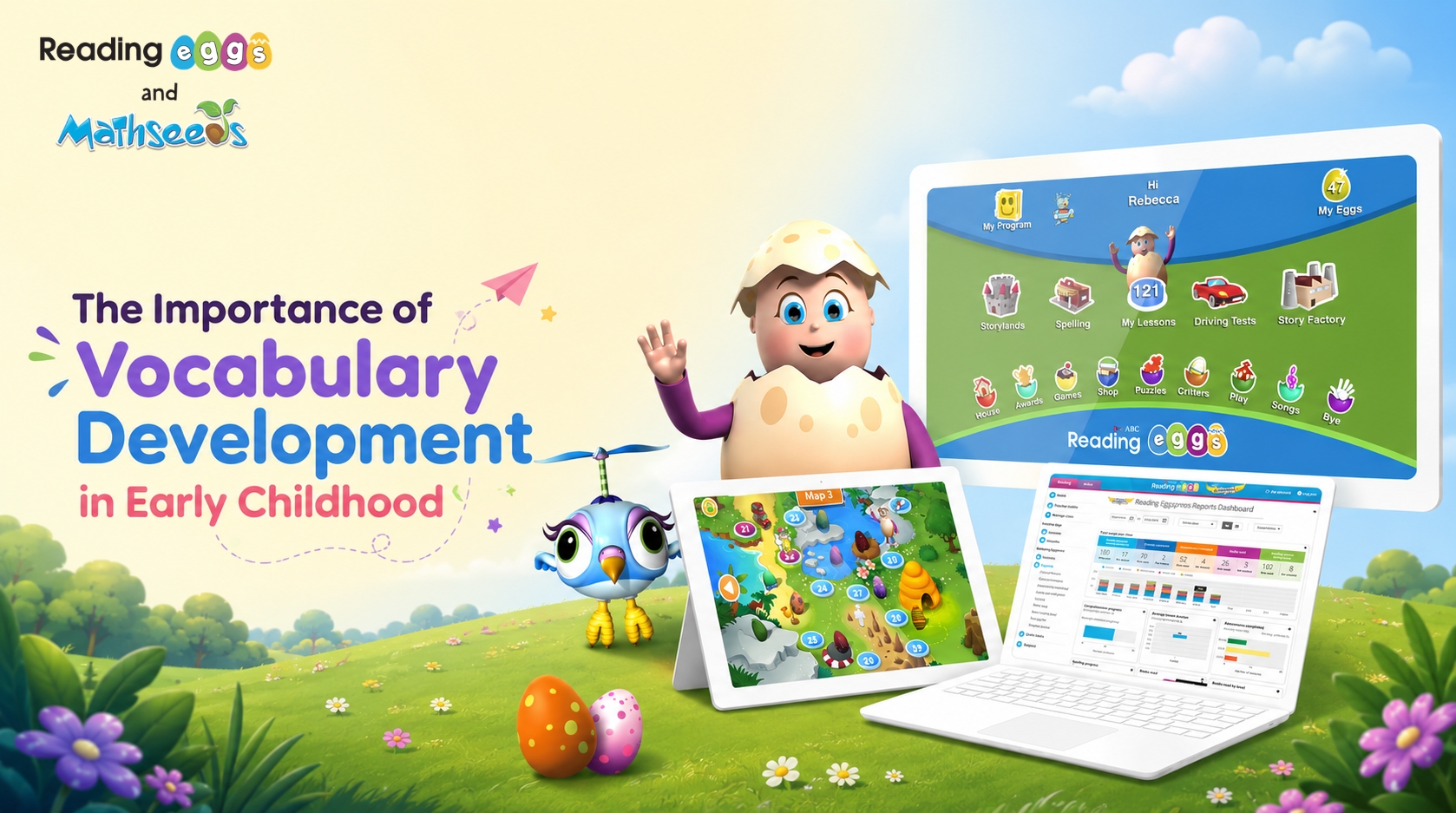
Reading Eggs & Mathseeds. builds phonics, reading fluency, and comprehension skills from Pre-Nursery to Class 8. Mathseeds builds essential maths skills from Nursery to Class 5. Together, they offer a complete, curriculum-aligned early learning platform that meets each child where they are, moves at their pace, and celebrates every step forward.
Both programmes are built on the same foundation: structured, research-backed learning delivered through games, animations, and interactive activities that children genuinely enjoy. When learning feels good, children engage more — and when they engage more, they grow.
A child who says "I hate maths" is not telling you about their ability. They are telling you about their experience — and experiences can be changed.
With patience, playfulness, the right language, and the right tools, every child can move from maths anxiety to maths confidence. The journey begins with a single step: deciding that the story does not have to end with "I'm just not a maths person."
Because with the right support, every child can be a maths person.
Ready to take that first step? Explore Reading Eggs & Mathseeds with a free 7-day trial at re.rsgr.in and watch your child's confidence grow — one lesson at a time.