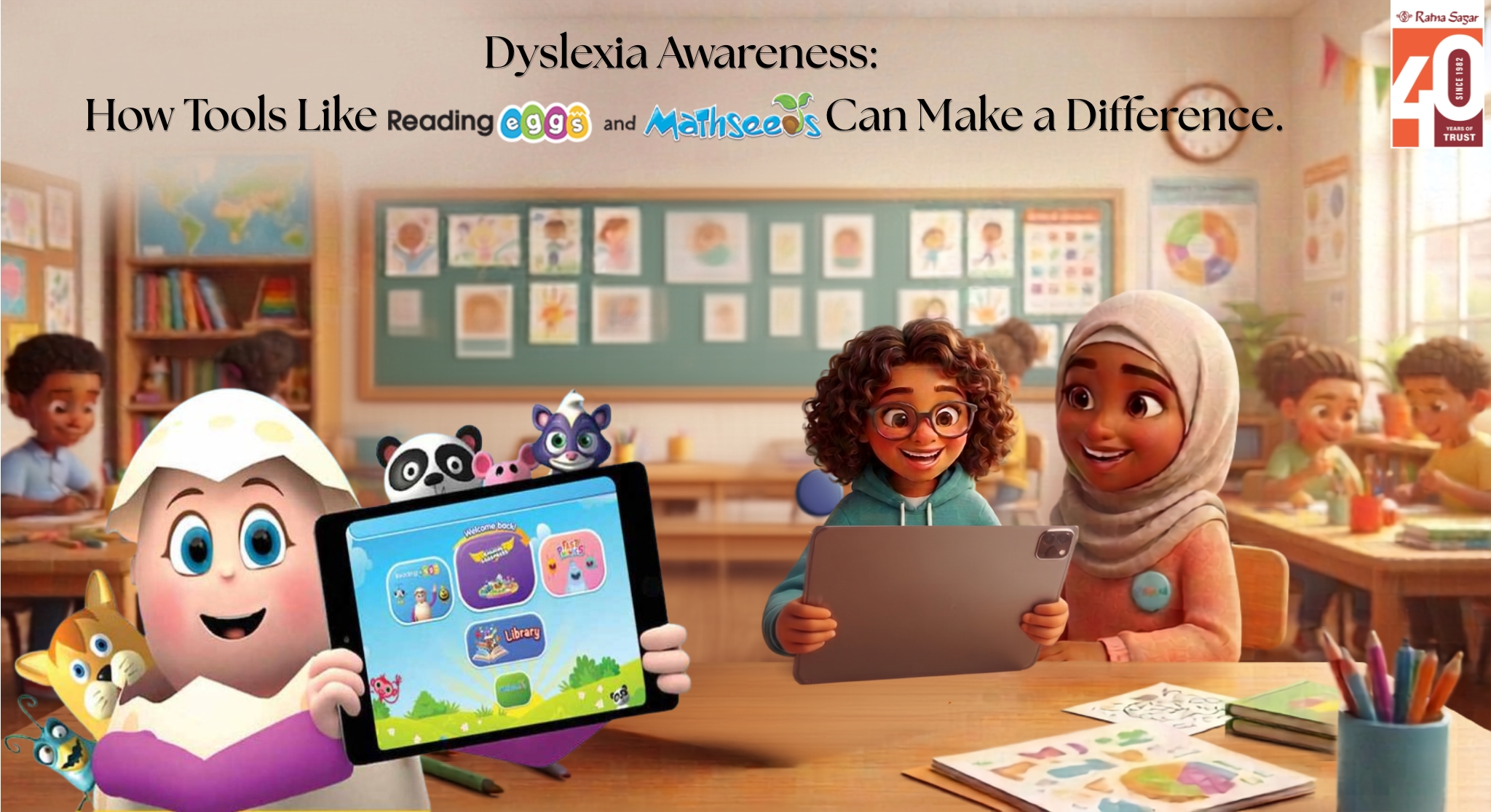
Dyslexia Awareness: How Tools Like Reading Eggs & Mathseeds Can Make a Difference
Every classroom has its own rhythm and every child learns at a different pace. But for some students, letters seem to swim on the page, sounds refuse to line up with symbols and even simple homework can feel like an uphill climb. This is often the reality for children with dyslexia — a common learning difference that affects reading, writing and sometimes math skills.
Dyslexia Awareness isn't just about recognizing a diagnosis. It's about understanding how children experience learning differently and making sure the right tools and support are in place early on. This is exactly where platforms like Reading Eggs and Mathseeds step in — turning early literacy and numeracy into an engaging, adaptive and pressure-free experience.
What Is Dyslexia and Why Does Early Support Matter?
Dyslexia is a learning difference that affects how the brain processes written language. It has nothing to do with intelligence — many bright, curious children struggle simply because traditional teaching methods move too fast or don't reinforce foundational skills enough. Common signs include difficulty with letter-sound relationships, slow or effortful reading, trouble spelling and reversing letters like "b" and "d."
The earlier these signs are noticed, the better the outcomes. This is closely tied to the idea of FLN, or Foundational Literacy and Numeracy — a term widely used in Indian education policy (including India's National Education Policy) to describe the basic reading, writing and math skills every child should master by the end of Grade 3. Understanding the FLN full form in education helps parents and teachers see why early intervention, not just remediation later, is so critical for children with dyslexia.
Why Sight Words Matter for Struggling Readers
One of the simplest yet most powerful tools for children with dyslexia is sight word practice. So, what are sight words? They're common words — like "the," "was," "said," or "they" — that don't always follow standard phonics rules and are best learned by sight rather than sounded out letter by letter.
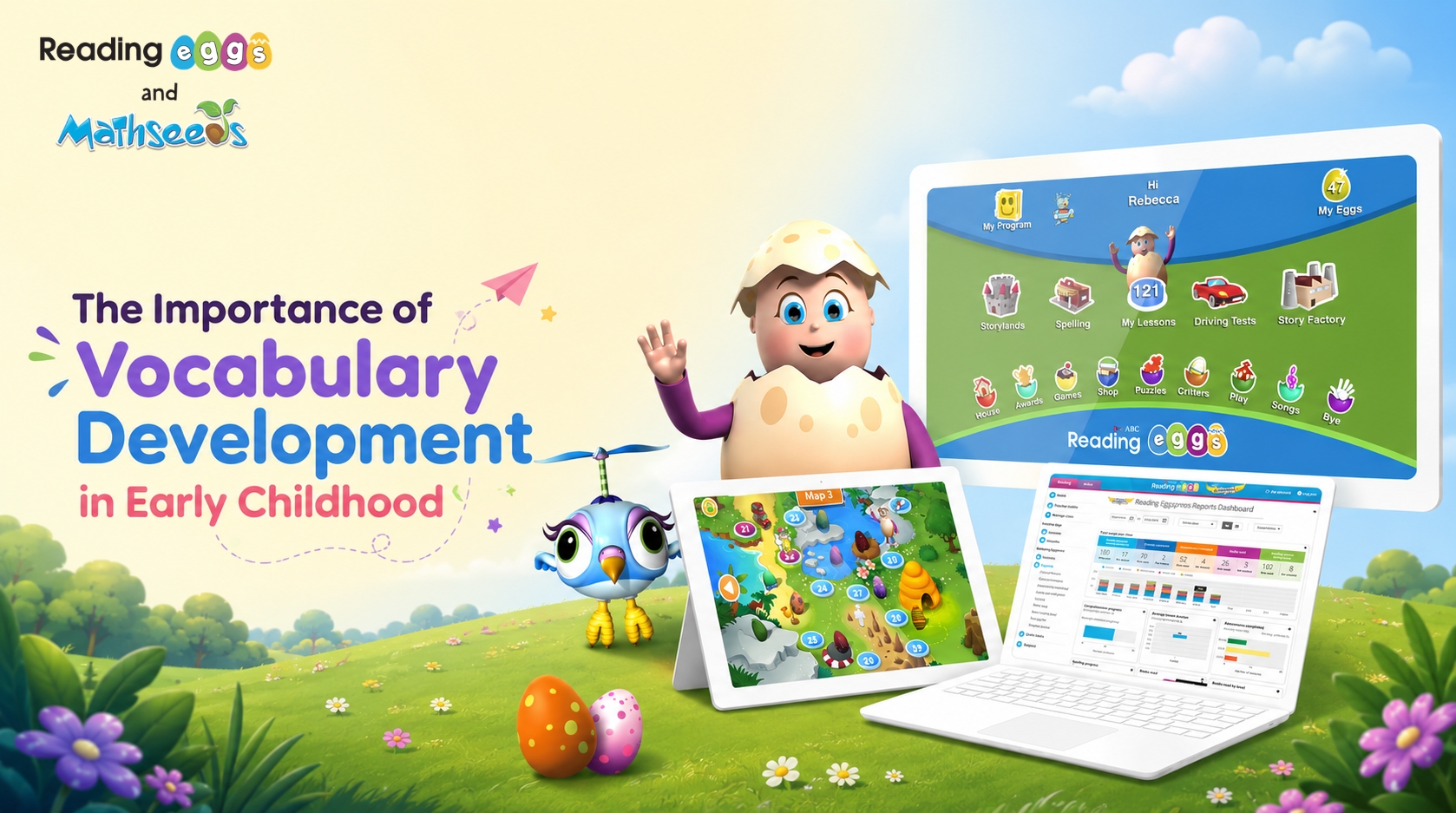
For children who find decoding difficult, building a strong bank of sight words for kids reduces reading fatigue and boosts confidence. Instead of stumbling over every frequent word in a sentence, a child can recognize it instantly, freeing up mental energy to focus on comprehension and unfamiliar vocabulary. Reading Eggs & Mathseeds weaves sight word recognition directly into its lessons, using repetition, games and rewards so children absorb these words naturally instead of through rote memorization.
How Reading Eggs & Mathseeds Supports Children with Dyslexia
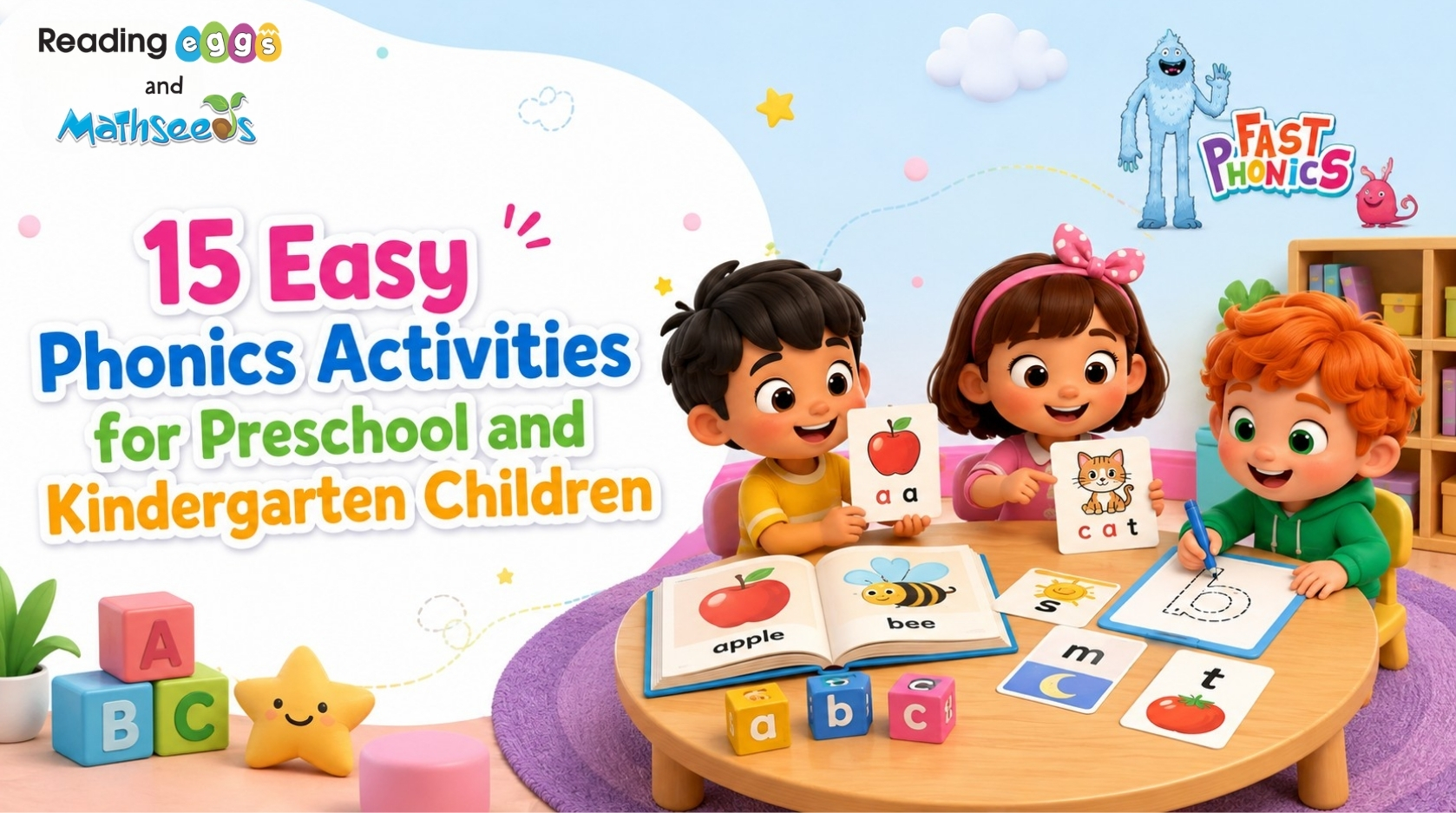
Reading Eggs & Mathseeds is designed around structured, systematic phonics — one of the most research-backed approaches for helping children with dyslexia. Instead of overwhelming a child with an entire worksheet of unfamiliar text, lessons break reading down into small, manageable steps:
- Letter-sound recognition before blending sounds into words
- Guided reading exercises that build fluency gradually
- Interactive games that reinforce sight words and phonics patterns
- Progress tracking so parents and teachers can see exactly where extra support is needed
This mirrors the structure found in a good english worksheet for class 1 — moving from simple sounds to full sentences — but with instant feedback, audio support and a self-paced format that never rushes a child before they're ready.
Reading Eggs & Mathseeds: Supporting Numeracy Alongside Literacy
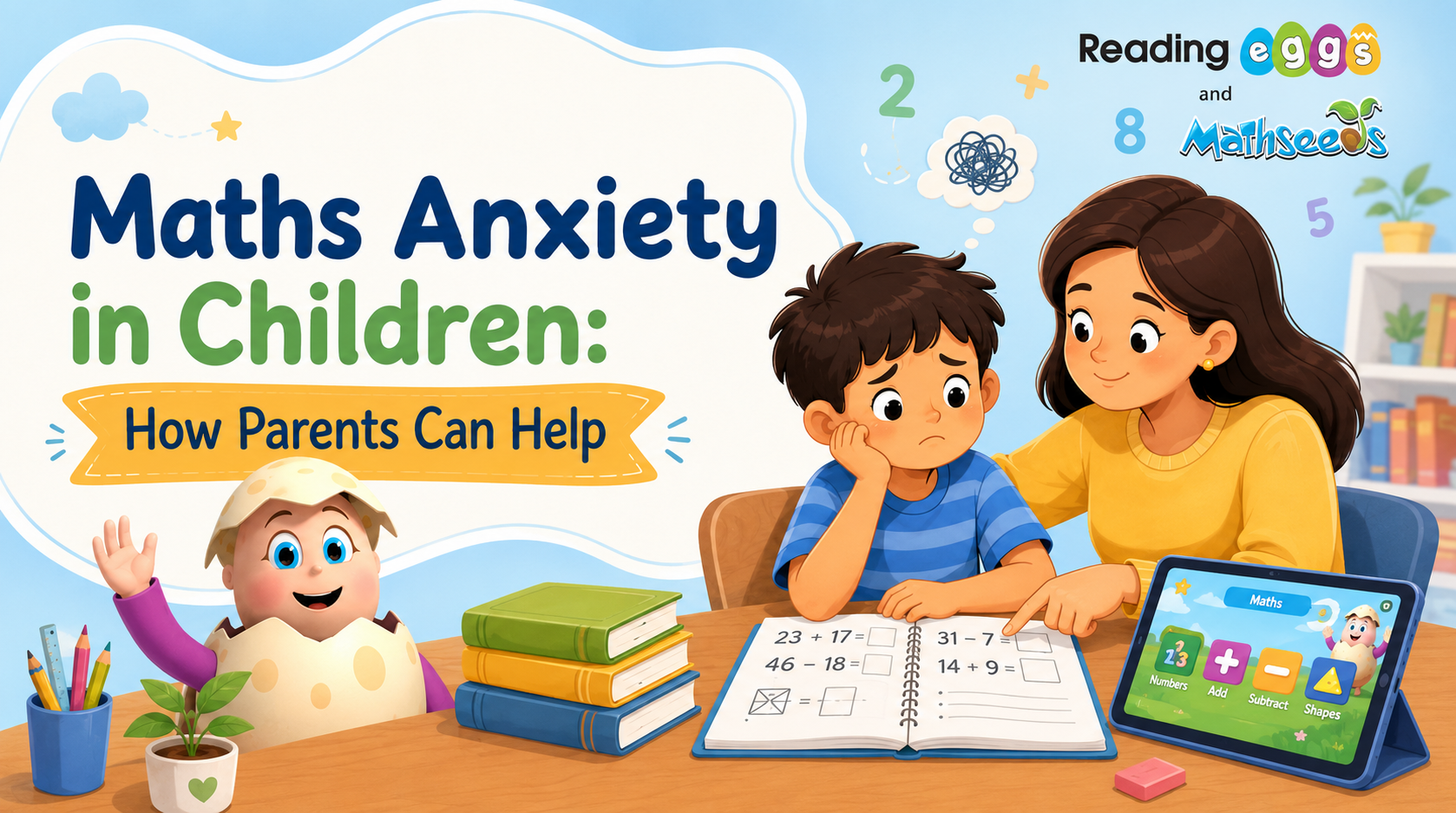
Dyslexia can sometimes overlap with difficulties in math, particularly around sequencing numbers, understanding place value or following multi-step problems. Mathseeds addresses this with the same gentle, incremental approach used in Reading Eggs.
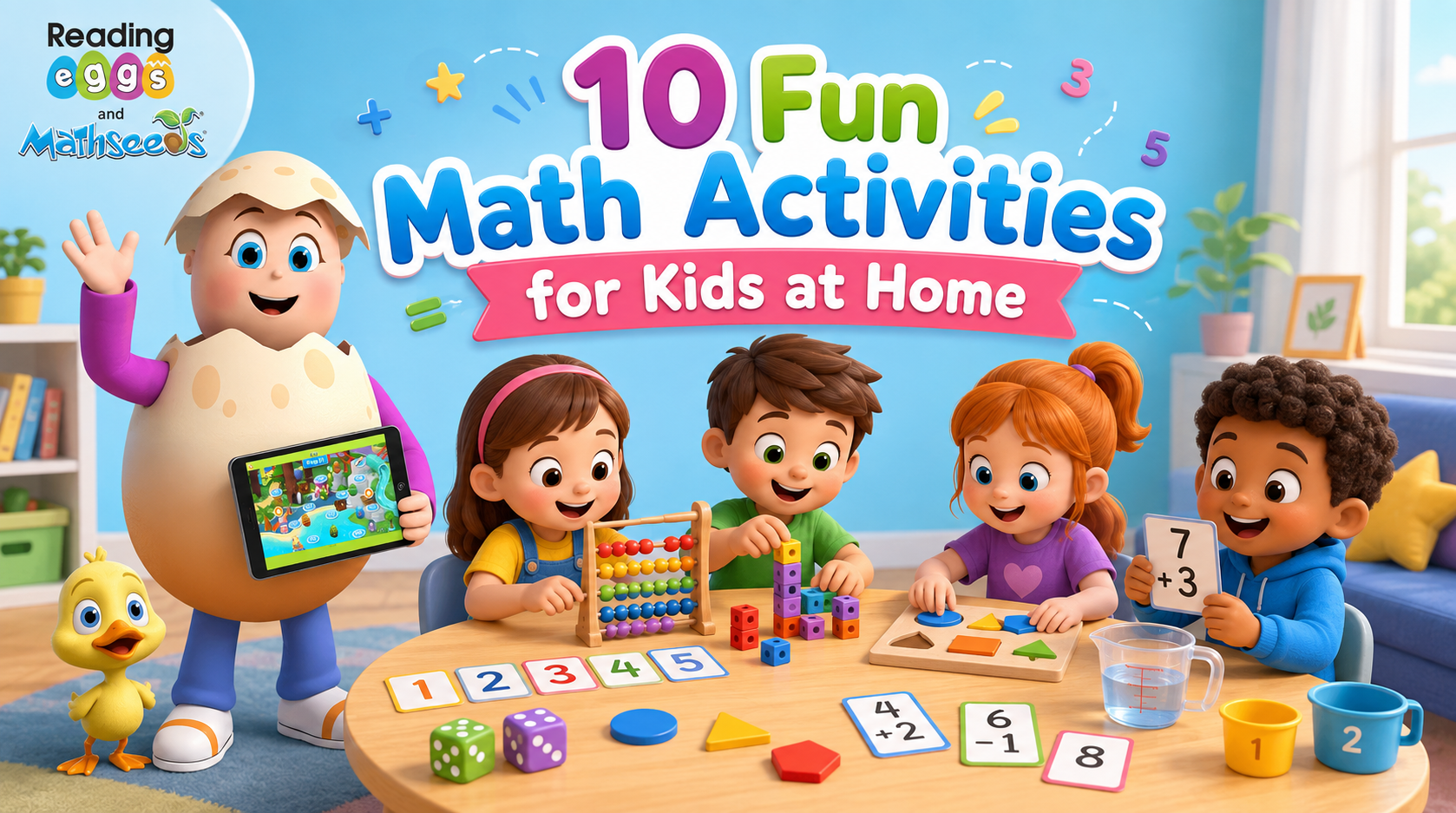
Instead of dense maths worksheets for class UKG filled with rows of problems, Mathseeds introduces concepts through short, animated lessons and hands-on digital activities. Numbers are represented visually, patterns are reinforced through repetition and children can revisit lessons as many times as they need — something a printed worksheet simply can't offer.
Bridging the Gap Between Worksheets and Adaptive Learning
Traditional worksheets still have their place in early education. A well-structured English worksheet for class 1 or a set of foundational maths worksheets for class UKG can reinforce what's learned in the classroom. But for children with dyslexia, static worksheets often highlight what a child can't do rather than what they can.
Digital tools like Reading Eggs and Mathseeds complement this by adapting to each child's pace in real time. If a child struggles with a particular sight word or number concept, the lesson adjusts — offering more practice without judgment, embarrassment or the feeling of falling behind classmates.
Practical Tips for Parents and Teachers
If you suspect a child may have dyslexia, or simply want to strengthen their foundational skills, here are a few steps that help:
- Start with sight words. Building a strong base of sight words for kids reduces frustration during early reading.
- Break tasks into small steps. Whether it's an english worksheet for class 1 or a phonics game, shorter sessions with frequent wins work best.
- Use multisensory tools. Audio, visuals and interactive elements (like those in Reading Eggs and Mathseeds) support different learning styles.
- Track progress, not perfection. Celebrate small improvements rather than comparing a child to grade-level benchmarks.
- Loop in support early. Understanding the FLN full form in education can help parents advocate for the right resources at school.
Final Thoughts
Dyslexia Awareness is about more than recognizing a challenge — it's about building an environment where every child can learn confidently, at their own pace. Tools like Reading Eggs and Mathseeds don't just supplement traditional worksheets; they reimagine how foundational literacy and numeracy can be taught, making learning feel like an adventure rather than a struggle.
For parents, teachers and schools looking to support children with dyslexia, combining structured foundational practice — sight words, phonics and number sense — with adaptive, judgment-free digital tools can make all the difference in a child's learning journey.