Best Phonics Worksheets for Preschoolers: A Parent's Complete Resource Guide
Teaching your little one to read begins with a strong foundation in phonics. Finding the right phonics worksheet for nursery and preschool levels makes all the difference in building essential literacy skills. This guide helps you understand how phonics worksheets support early reading development.
Understanding Phonics in Early Childhood Education
Phonics forms the backbone of reading instruction by teaching children the relationship between letters and sounds. When preschoolers grasp that written letters represent spoken sounds, they unlock the ability to decode words independently. Research shows that systematic phonics instruction during preschool years improves reading outcomes and vocabulary.
Why Phonics Worksheets Matter for Nursery Students
A well-designed phonics worksheet preschool educators recommend serves multiple purposes. These worksheets provide structured practice that reinforces letter recognition, sound identification and early word formation. Unlike digital games, worksheets allow focused learning where children work at their own pace while developing fine motor skills.
Essential Components of Effective Phonics Worksheets
Quality phonics worksheets feature large, clear fonts easy for developing eyes to read. Colorful illustrations engage attention while reinforcing connections between images and sounds. Interactive elements like coloring, matching and circling keep preschoolers engaged. Worksheets should focus on one concept at a time, including letter sounds, beginning sounds and simple words.
How to Teach Phonics to Preschoolers Using Worksheets
Knowing how to teach phonics to preschoolers effectively requires more than just handing them a worksheet. Start with letter names and sounds, introducing 2-3 letters per week. Use multi-sensory approaches by saying sounds aloud while your child traces letters. This combination strengthens memory retention.
Create a consistent routine where phonics practice happens at the same time each day. Keep sessions short—10 to 15 minutes is ideal for preschoolers' attention spans. Make it playful by turning worksheet activities into games. Always celebrate effort over perfection as preschoolers learn best in positive environments.
Integrating Reading Eggs and Mathseeds with Ratna Sagar
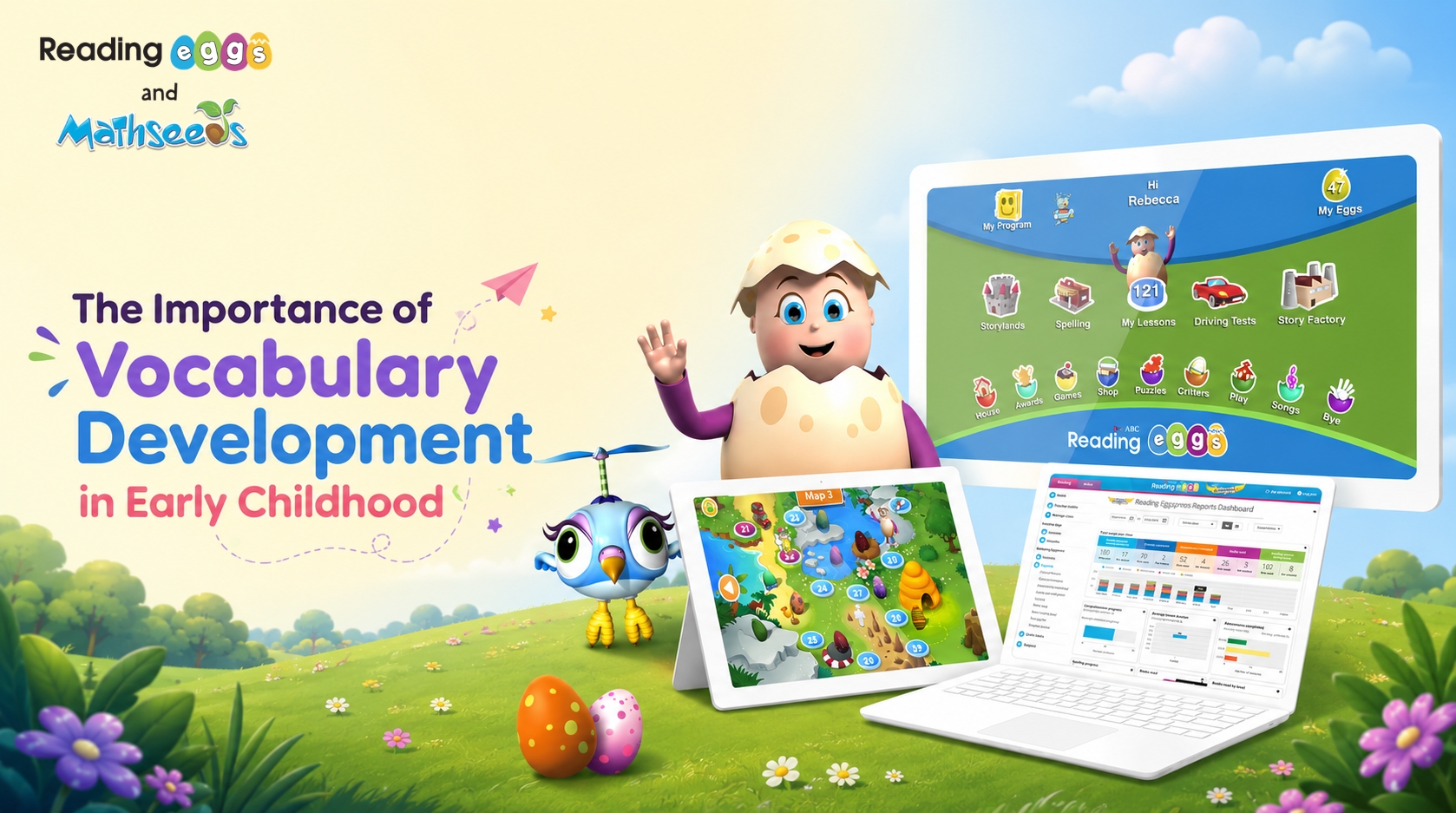
Reading Eggs and Mathseeds with Ratna Sagar offers an exceptional online learning programme complementing traditional phonics worksheet practice. This award-winning platform provides structured lessons aligned with NEP 2020 guidelines, covering pre-nursery through class 8. The programme includes Fast Phonics modules for emergent readers from nursery to class 5.
While worksheets provide hands-on practice, Reading Eggs and Mathseeds offers interactive lessons, over 5000 printable worksheets and 3500+ eBooks. This combination ensures varied, engaging phonics instruction catering to different learning styles. The 24/7 unlimited access lets families learn on their own schedule.
Types of Phonics Worksheets for Learning Stages
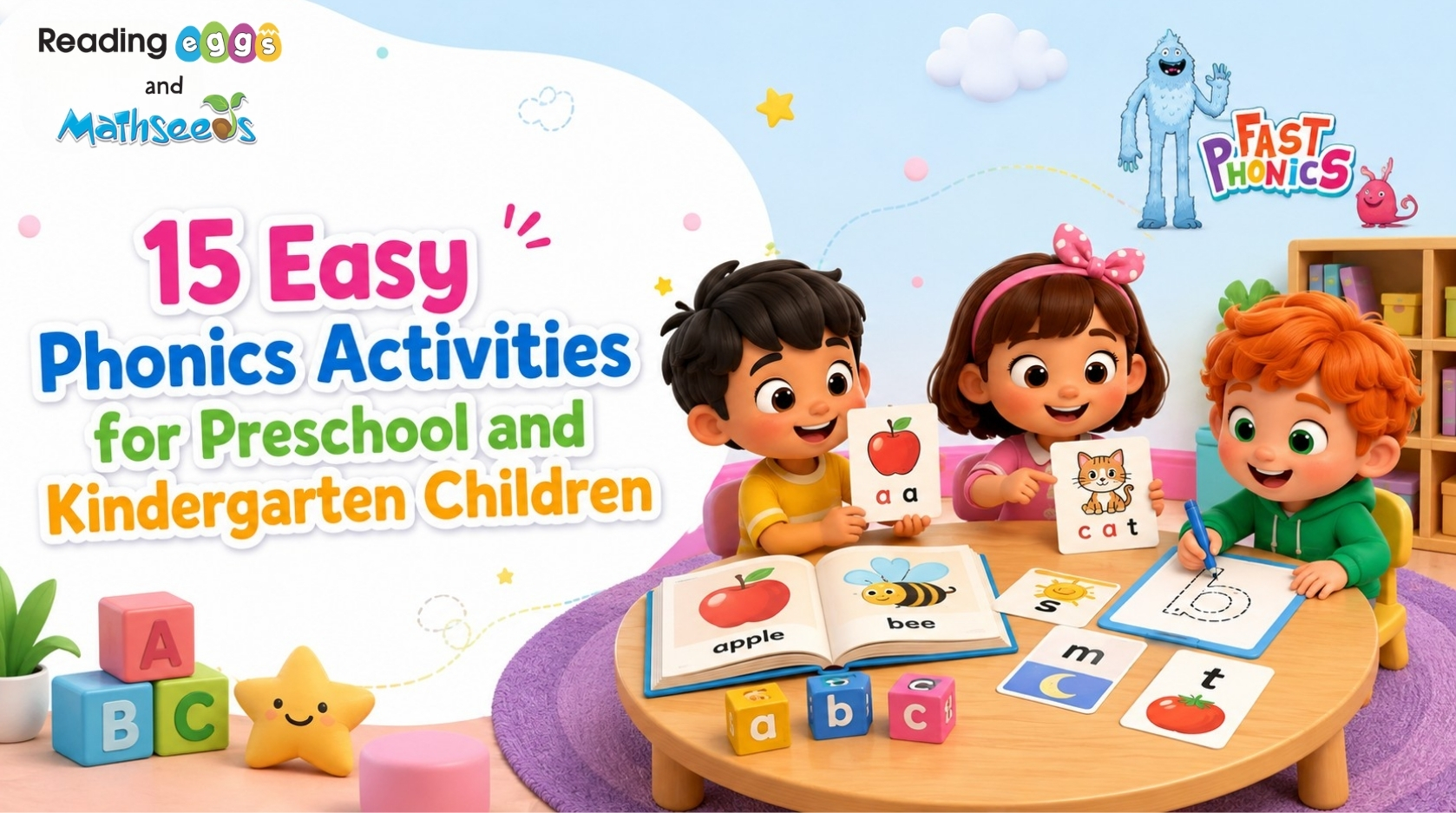
Beginning learners benefit from alphabet recognition worksheets. As children progress, letter sound worksheets teach connections between letters and sounds. Rhyming worksheets develop phonological awareness while blending worksheets teach combining sounds into words. Word family worksheets group words with similar endings for pattern recognition. For advanced preschoolers, sentence reading worksheets and sight word practice extend their skills.
Creating an Effective Home Learning Environment
Designate a specific learning space where phonics practice happens. This area should be well-lit, quiet and distraction-free. Keep worksheets organized in folders so your child can see progress. Stock your area with pencils, crayons and erasers. Display completed worksheets on a learning wall to motivate continued effort.
Tracking Progress and Making Learning Fun
Pay attention to patterns in worksheet completion. If your child struggles with a phonics concept, spend additional time on that skill. Celebrate milestones like mastering letter sounds or reading their first CVC word.
Make phonics worksheet time enjoyable. Use different colored pencils for activities. Let your child choose which worksheet to complete. Incorporate movement by having children jump when they hear specific sounds. Read phonics-based books together that reinforce learned patterns.
Common Mistakes to Avoid
Moving too quickly through phonics concepts is common. Children need time to solidify each skill before adding new information. Avoid turning practice into a battle. If your child resists worksheet time, take a break and revisit learning differently. Don't compare progress to others as every child's timeline is unique.
Conclusion
Quality phonics worksheets form a cornerstone of early literacy development. When combined with engaging instruction and positive reinforcement, these tools help preschoolers develop foundational reading skills. Whether using a phonics worksheet for nursery level students or more advanced phonics worksheet preschool materials, make learning enjoyable.
Platforms like Reading Eggs and Mathseeds with Ratna Sagar offer comprehensive support for parents wondering how to teach phonics to preschoolers effectively. By combining worksheets with interactive digital lessons, you give your child the best start on their reading journey.
Frequently Asked Questions
Q1: At what age should I start using phonics worksheets with my child?
Most children are ready to begin simple phonics worksheets around age 3 to 4 when they show interest in letters and sounds. Start with basic letter recognition before moving to sound-based worksheets.
Q2: How many phonics worksheets should my preschooler complete each day?
One to two worksheets per day is sufficient for preschoolers. Quality practice matters more than quantity. Keep sessions between 10 to 15 minutes to match young children's attention spans.
Q3: What if my child resists doing phonics worksheets?
Try different times of day, incorporate more playful elements or alternate between worksheets and hands-on phonics activities. Never force practice as this can create negative associations with learning.
Q4: Can phonics worksheets replace a structured learning programme?
Worksheets work best as one component of a comprehensive phonics approach. Combining them with interactive programmes like Reading Eggs and Mathseeds provides more complete instruction and better results.
Q5: How do I know if my child is ready to move beyond basic phonics worksheets?
When your child consistently identifies letter sounds, blends simple CVC words and shows confidence with current materials, they're ready for more advanced phonics activities and early reading books.