UKG Maths Made Fun: Essential Curriculum Guide for Playful Learning
Understanding the ukg maths curriculum is essential for parents guiding their children through upper kindergarten. This critical year bridges early number exploration and formal mathematical learning. A well-structured approach to UKG mathematics builds confidence and prepares children for primary school challenges.
What Children Learn in UKG Maths
The ukg class maths worksheet typically covers fundamental concepts that form the foundation for future mathematical learning. Children master numbers from 1 to 100, moving beyond simple counting to understanding number relationships. They learn to recognize, read and write these numbers confidently.
Addition and subtraction become primary focuses during UKG. Children start with concrete objects before progressing to abstract numbers. Simple word problems help them apply mathematical thinking to real situations.
Shape recognition extends beyond basic circles and squares. UKG students explore triangles, rectangles and hexagons. Three-dimensional shapes including spheres, cubes and cylinders are introduced through hands-on exploration.
Measurement concepts come alive through practical activities. Children compare lengths and explore concepts of heavy and light through direct experience. Time-telling begins with understanding day and night.
Key Mathematical Skills Developed in UKG
Number sense represents the most crucial skill developed during upper kindergarten. Children learn that numbers have meaning beyond counting sequences. They understand that 5 represents a specific quantity whether shown as dots or objects.
Pattern recognition develops significantly. Children identify and create patterns using colors, shapes and numbers. This skill underpins algebraic thinking they'll develop later.
Spatial reasoning grows through activities involving position words. Children learn to describe object locations. Comparison skills sharpen as children learn more than, less than and equal to concepts.
How Maths Worksheets for Class UKG Support Learning
Quality maths worksheets for class ukg serve multiple purposes beyond practice. Well-designed worksheets present concepts visually making abstract ideas concrete. Colorful illustrations engage children while reinforcing mathematical concepts.
Worksheets provide structured practice allowing children to work independently at their own pace. This builds confidence as they complete activities successfully. The best UKG math worksheets incorporate variety including tracing, coloring and matching exercises. Worksheets also give parents concrete assessment tools.
Reading Eggs: Comprehensive UKG Maths Support
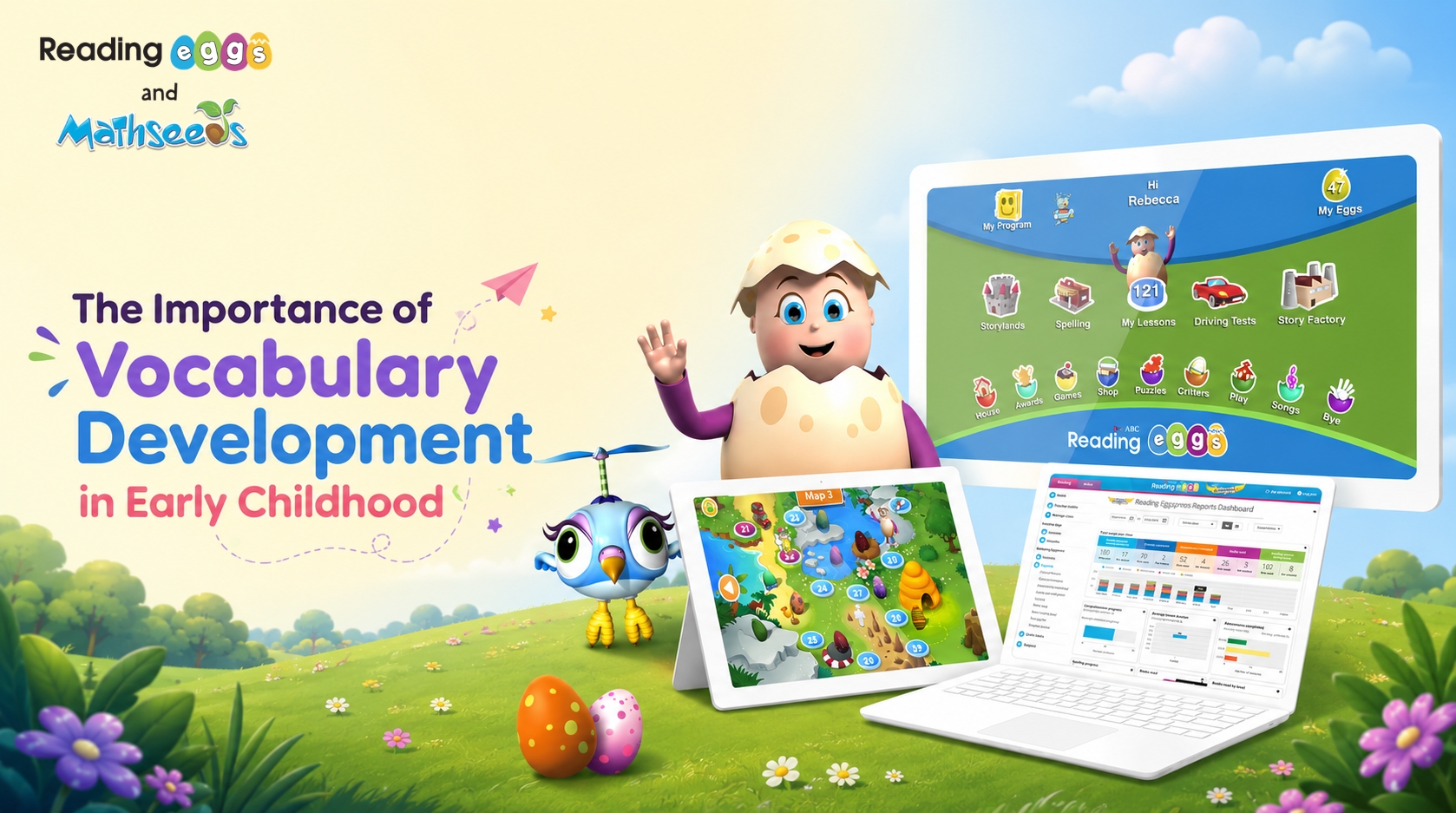
Reading Eggs with Ratna Sagar offers extensive resources aligned with UKG mathematics curriculum needs. The Mathseeds component delivers systematic instruction through interactive lessons covering all essential UKG concepts including number recognition, counting, operations, shapes and measurement.
The platform's 5000+ printable worksheets include options designed for UKG level. What makes Mathseeds effective is its game-based approach. Mathematical concepts are taught through engaging activities. Children earn rewards as they progress maintaining motivation. With 24/7 unlimited access aligned with NEP 2020 standards, families can integrate quality mathematics learning conveniently.
Creating an Effective UKG Maths Learning Environment
Create a math-rich space by displaying number charts and shape posters at child height. Keep manipulatives like counting blocks accessible. Incorporate mathematics into daily routines - count stairs, identify shapes during walks and compare sizes while cooking. Maintain a positive attitude toward mathematics as children absorb parental attitudes about subjects.
Teaching Strategies That Work for UKG Maths
Hands-on learning works best. Use physical objects for counting before moving to abstract numbers. Make mathematics playful through games. Board games teach counting while card games build comparison skills.
Connect new concepts to children's experiences. When teaching addition, relate it to combining toys. Use mathematical vocabulary consistently with terms like more, fewer and equal.
Common Challenges in UKG Maths Learning
Number reversal is common at this age. Children frequently write 6 as 9 or confuse 2 and 5. This developmental stage passes with practice. Provide tracing activities and gently correct reversals.
Abstract thinking poses challenges for some students. Continue using manipulatives as long as needed. Keep sessions short - 15 to 20 minutes maximum for best results.
Assessment and Progress Monitoring
Regular informal assessment helps track development. Observe whether children count accurately and recognize numbers quickly. Watch for milestones like counting to 50 without errors and writing numbers 1-20 independently. Celebrate these accomplishments to build confidence.
Conclusion
The ukg maths curriculum lays crucial groundwork for all future mathematical learning. When children master fundamental concepts through engaging activities, quality worksheets and supportive instruction, they develop both skills and confidence. Whether using a ukg class maths worksheet from traditional sources or exploring maths worksheets for class ukg through digital platforms like Reading Eggs with Ratna Sagar, the key lies in making mathematics accessible and enjoyable.
By understanding what UKG students should learn and how they learn best, parents become effective partners in mathematical education. This partnership during the formative upper kindergarten year creates positive attitudes toward mathematics that benefit children throughout their academic careers.
Frequently Asked Questions
Q1: What are the main topics covered in UKG maths curriculum?
UKG maths includes numbers 1-100, basic addition and subtraction, shapes (2D and 3D), measurement concepts, patterns, comparisons and simple problem-solving. Time-telling and money concepts are also introduced.
Q2: How much time should children spend on UKG maths daily?
15-20 minutes of focused practice is ideal for UKG students. Multiple short sessions work better than long ones. Include both worksheet activities and hands-on mathematical play throughout the day.
Q3: Are digital platforms effective for teaching UKG maths?
Yes. Quality platforms like Mathseeds combine interactive lessons with printable worksheets. The game-based approach maintains engagement while systematic instruction ensures comprehensive concept coverage and skill development.
Q4: What if my child struggles with specific UKG maths concepts?
Use more hands-on activities with physical objects. Break concepts into smaller steps. Provide additional practice without pressure. Some children need more time with concrete materials before abstract understanding develops.
Q5: How can I make UKG maths more interesting at home?
Integrate mathematics into daily activities like cooking, shopping and playing. Use board games, puzzles and building blocks. Connect math concepts to your child's interests like sports, animals or vehicles.