How Can Worksheets Improve Kids' Reading and Maths Skills at Home?
Ask any parent of a young child and they will tell you the same thing — getting kids to sit down and practice at home is not always easy. Between after-school tiredness, distractions and the general chaos of family life, finding a learning routine that actually sticks can feel like a challenge.
That is where well-designed worksheets come in. When worksheets are the right kind — engaging, age-appropriate and properly structured — they do not feel like extra work to children. They feel like activities. And that small shift in how children experience practice time makes an enormous difference to how much they actually learn.
In this blog we explore how worksheets can genuinely improve your child's reading and maths skills at home and what makes the best ones worth your time.
Why Practice at Home Matters More Than You Think
School hours are limited. A teacher managing a classroom of 30 children simply cannot give every child the individual attention they need to fully consolidate new skills. That gap between what is taught in school and what a child truly absorbs is where home practice becomes so important.
Regular practice at home — even just 15 to 20 minutes a day — helps children retain new concepts, build fluency and grow in confidence. Worksheets give that practice a clear structure so children know exactly what they are working on and parents can see real progress over time.
The Right Worksheet for the Right Stage
Not all worksheets are created equal. A worksheet that is too easy will bore your child and one that is too hard will frustrate them. The key is finding resources that are matched precisely to your child's current level and curriculum.
For children in nursery and LKG the focus should be on letter recognition, basic phonics and number awareness. This is exactly where printable LKG maths worksheets and alphabet-based English activities come in. These early exercises build the mental pathways that all future learning depends on.
As children move into UKG and Class 1 the content naturally deepens. UKG maths worksheets PDF free download resources that cover number sequencing, simple addition and shape recognition are ideal at this stage. On the English side, activities that build vocabulary, sentence recognition and reading readiness lay the groundwork for fluent reading.
How English Worksheets Build Reading Skills Step by Step
Reading is not a single skill — it is a collection of skills that develop together. Phonics, vocabulary, comprehension and fluency all need to be practiced separately and then woven together. Good English worksheets for Grade 1 are designed with exactly this layered approach in mind.
Here is how the progression typically looks:
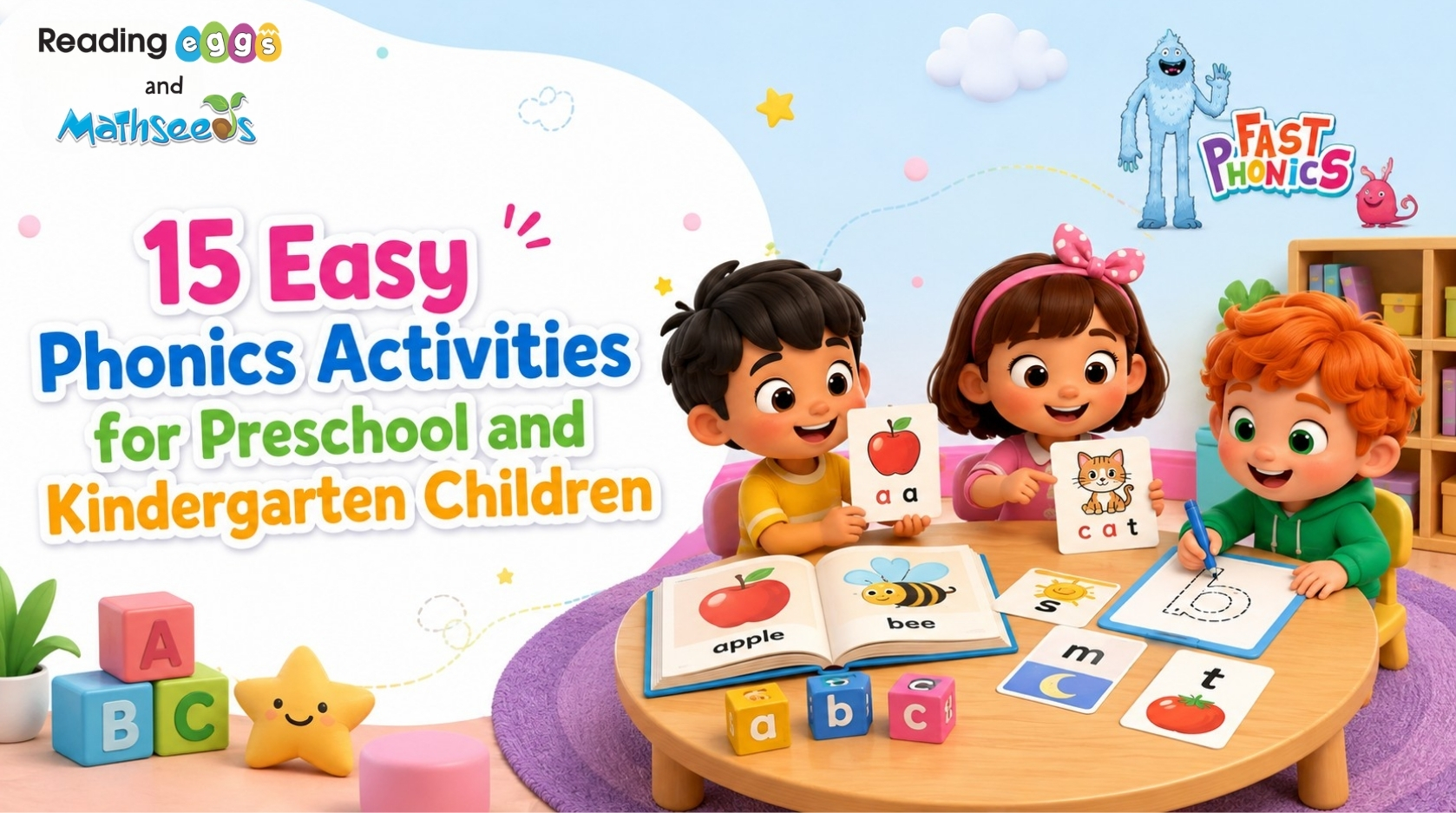
Phonics First — Children learn to connect letters with their sounds. Worksheets that ask children to match letters to pictures, fill in missing letters or identify rhyming words build this foundation beautifully.
Vocabulary and Sight Words — Once phonics is in place children begin building a bank of words they recognise on sight. Activities that involve reading short sentences, labelling pictures and matching words to meanings all feed into this.
Comprehension — Class 1 English worksheets at this stage include short passages followed by simple questions. This trains children to read for meaning and not just decode words.
Noun Worksheets for Class 1 are a great example of targeted grammar practice that builds language awareness without overwhelming young learners. When children understand that words have jobs — naming things, describing things and so on — their writing and reading both improve.
How Maths Worksheets Build Number Confidence
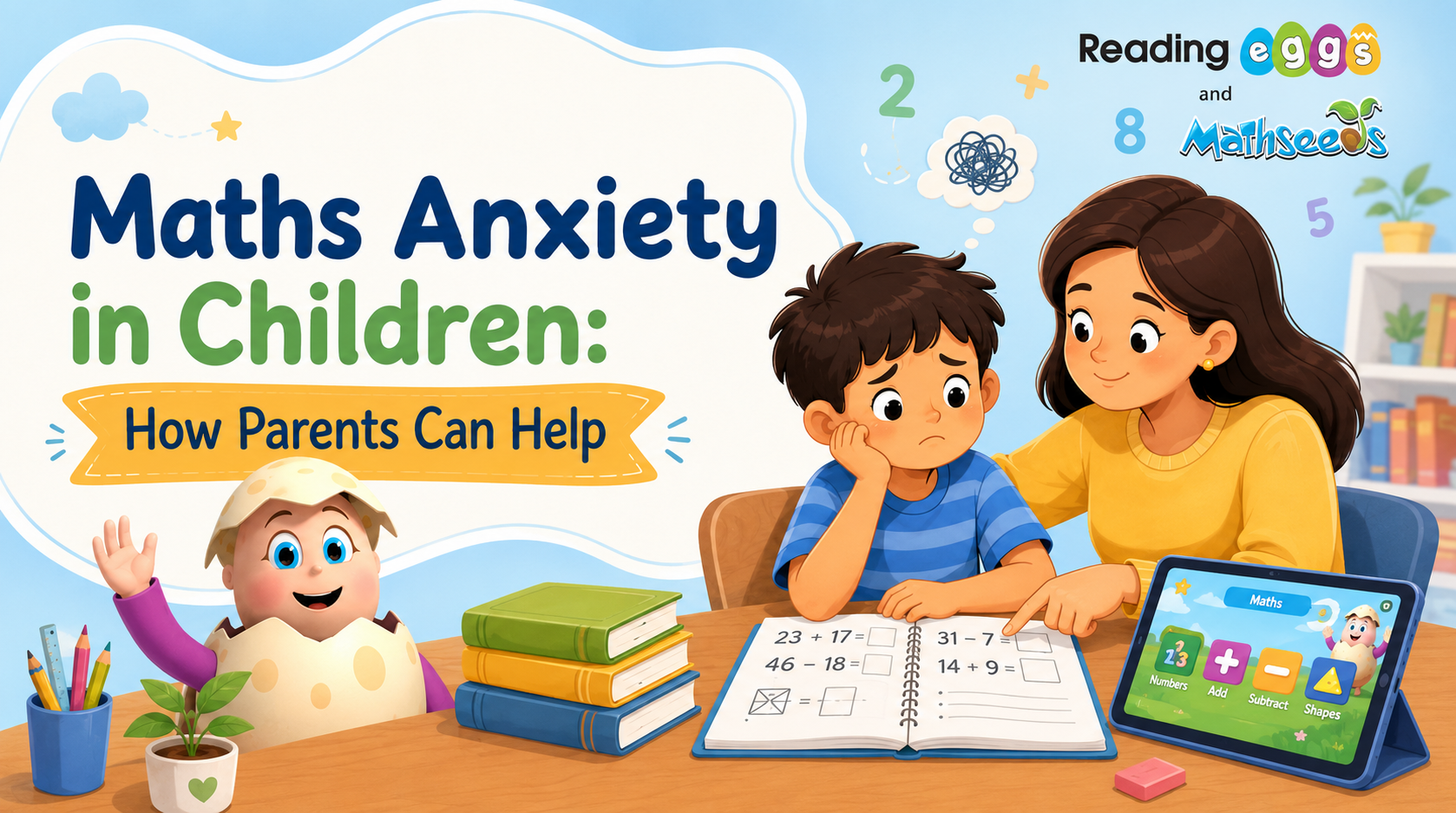
Maths anxiety is real and it often starts young. Children who struggle with basic number concepts in LKG and UKG tend to carry that anxiety into higher grades. The good news is that consistent and enjoyable practice with the right worksheets can prevent this entirely.
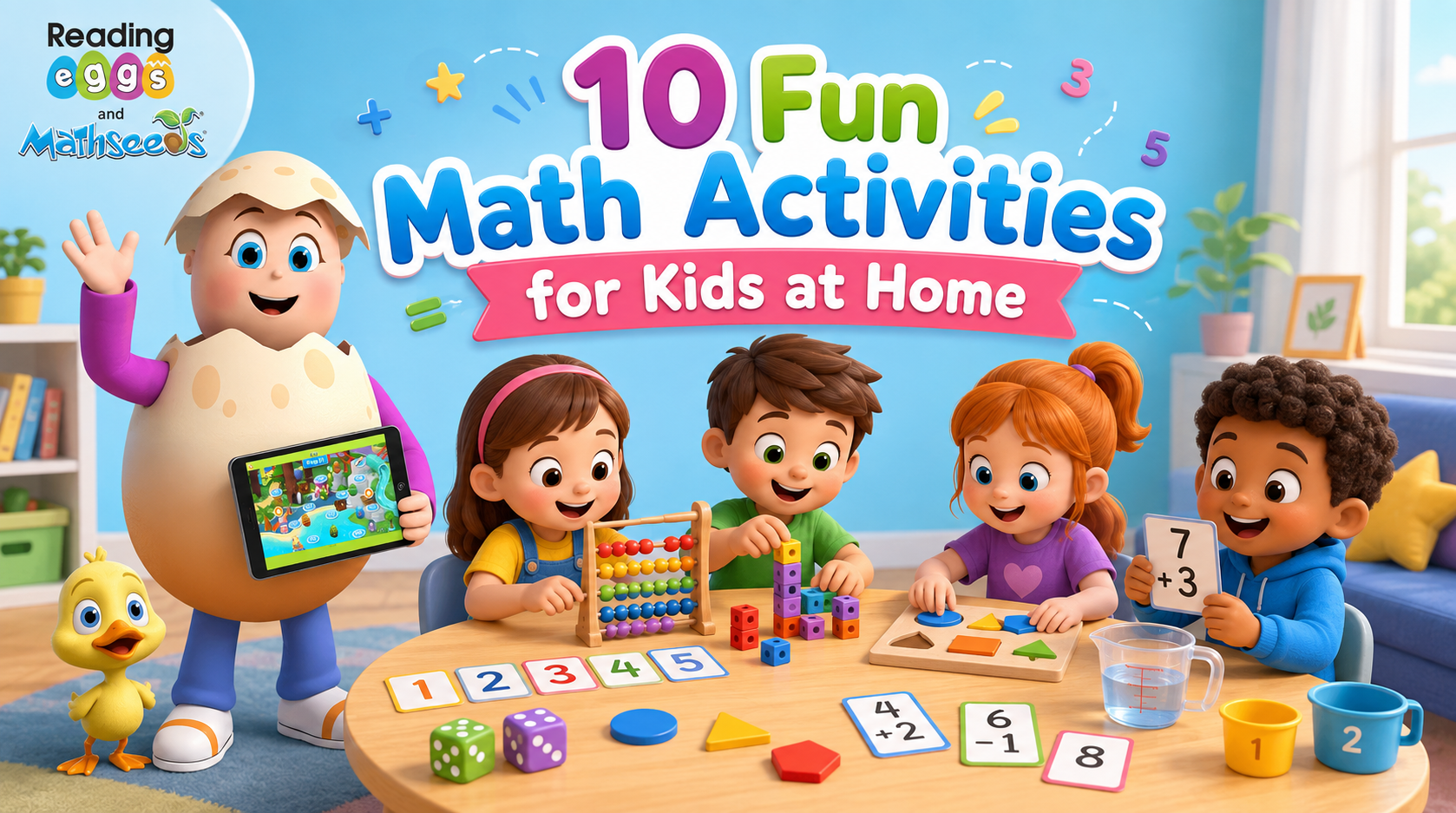
Worksheets for nursery maths activities should focus on counting, sorting and recognising numbers visually. At this stage the goal is not calculation — it is building a genuine sense of what numbers mean.
Maths worksheets for class UKG step things up with activities like number ordering, simple addition using pictures and basic measurement concepts. When these are presented in a visual and story-based way children engage with them far more readily than with abstract number drills.
The math worksheet for UKG PDF format is particularly useful for parents because it means you can print and reuse activities as many times as needed — which is perfect for children who need extra repetition to feel truly confident.
What Makes a Worksheet Actually Effective?
A lot of worksheets look good but do not actually move the needle on learning. Here is what separates an effective worksheet from a forgettable one:
Clear instructions — Children should be able to understand what they are being asked to do without too much adult explanation. Simple language and visual cues make a big difference.
Visual appeal — Colourful illustrations and friendly characters keep young children engaged. A grey page of numbers or letters is far less inviting than one that feels like an activity book.
Progressive difficulty — The best worksheet sets start simple and gradually increase in complexity. This keeps children in that sweet spot where they are challenged but not overwhelmed.
Curriculum alignment — For Indian families the CBSE curriculum is the benchmark. Worksheets that align with UKG worksheets CBSE standards ensure that home practice reinforces exactly what is happening in the classroom.
Combining Worksheets with Digital Learning
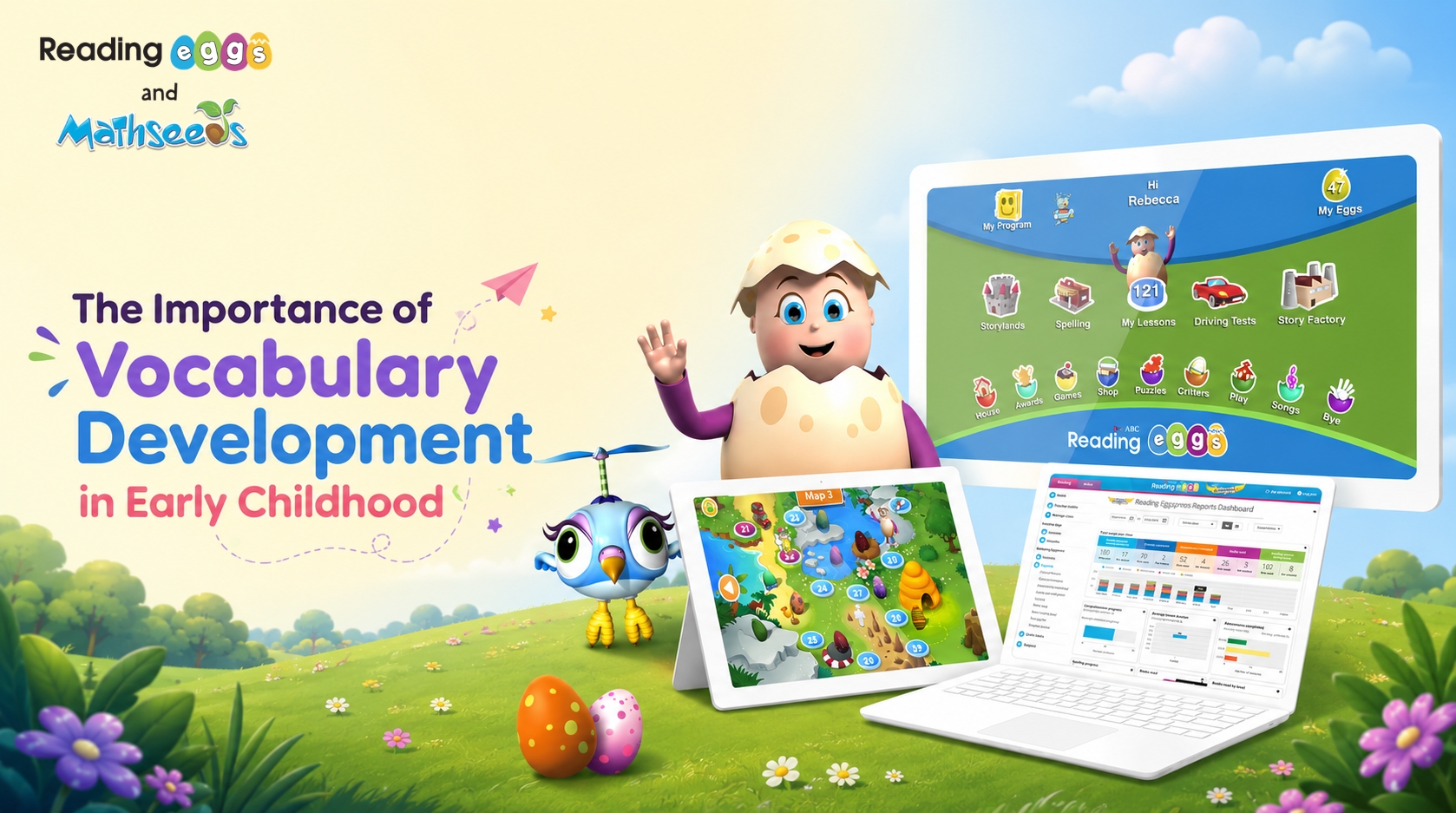
Worksheets work best when they are part of a broader learning ecosystem rather than the only tool in your child's routine. Platforms like Reading Eggs by Ratna Sagar combine over 5000 downloadable worksheets with animated lessons, interactive games and a library of 3500+ eBooks.
This means your child is not just filling in answers on a page — they are experiencing concepts through multiple formats which dramatically improves retention. The worksheets then become a powerful consolidation tool rather than the primary source of learning.
Available at reading eggs and mathseeds the platform covers everything from LKG class worksheet activities to Class 8 comprehension and is aligned with NEP 2020 making it highly relevant for CBSE students across India.
Building a Home Practice Routine That Works
The most important thing about home practice is that it happens regularly. Here are a few simple tips to build a routine that your child will actually stick to:
Keep sessions short — 15 to 20 minutes of focused practice is far more effective than an hour of distracted work. Young children simply cannot sustain attention for long periods and that is perfectly normal.
Make it a habit not a chore — Link worksheet time to something your child already enjoys. After a snack, before a favourite show or as part of a morning routine — consistency matters more than duration.
Celebrate small wins — Children thrive on encouragement. When your child completes a worksheet or masters a new concept make sure they know you noticed and that you are proud of them.
Mix it up — Alternate between English and maths activities and between printed worksheets and digital learning to keep things fresh and engaging.
Final Thoughts
Worksheets are one of the simplest and most effective tools parents have at home. When they are the right level, properly structured and used consistently they make a genuine and measurable difference to a child's reading and maths development.
The key is not just finding any worksheet — it is finding the right ones. Whether you are looking for English homework for class 1 practice or maths activities for your UKG child, platforms like Reading Eggs give you a complete and curriculum-aligned resource that takes the guesswork out of home learning.
Give your child the gift of a confident start. Visit and explore a free reading eggs and mathseeds 7-day trial today.