Understanding the FLN full form in education has become essential for parents and educators across India. As the country focuses on building stronger educational foundations, Foundational Literacy and Numeracy (FLN) has emerged as a critical framework for early childhood learning. This guide explores what FLN means and why it matters for your child's academic journey.
What is the FLN Full Form and Meaning?
The FLN full form stands for Foundational Literacy and Numeracy. This term represents the basic reading, writing and mathematical skills that children should develop by the end of Grade 3. The FLN meaning encompasses not just the ability to recognize letters and numbers but also the capacity to comprehend text and solve basic mathematical problems.
FLN forms the cornerstone of India's National Education Policy (NEP) 2020. The policy recognizes that without strong foundational skills, children struggle throughout their academic careers.
Why FLN Matters in Early Education
Research demonstrates that children who don't master foundational skills by Grade 3 face significant challenges in subsequent years. They struggle to understand textbooks, follow instructions and participate meaningfully in classroom activities. This learning gap tends to widen over time.
The FLN framework ensures every child develops essential capabilities during their early school years. Strong foundational skills enable children to become independent learners who can read for information and solve mathematical problems confidently.
Core Components of Foundational Literacy
Foundational literacy goes beyond letter recognition. It includes oral language development where children learn to listen and express themselves. Print awareness teaches children that text carries meaning.
Phonological awareness helps children recognize sounds in spoken language. Vocabulary development ensures children understand words they encounter. Reading comprehension allows children to extract meaning from written material. Writing skills enable children to express thoughts on paper.
Core Components of Foundational Numeracy
Foundational numeracy encompasses number sense - understanding what numbers represent. Children learn to count, compare quantities and recognize patterns. Basic operations include addition and subtraction.
Measurement skills teach children about length, weight and time. Spatial understanding helps children recognize shapes. Mathematical reasoning develops when children learn to solve problems and apply concepts practically.
How FLN Aligns with NEP 2020
The National Education Policy 2020 places unprecedented emphasis on FLN achievement, setting a goal of universal FLN competency by 2025. This means every child should master foundational literacy and numeracy skills by Grade 3.
NEP 2020 introduces reforms to support FLN goals. It emphasizes mother tongue instruction in early years. The policy promotes play-based learning instead of rote memorization and calls for teacher training focused on FLN methodologies.
Reading Eggs and Mathseeds : Supporting FLN Through Digital Learning
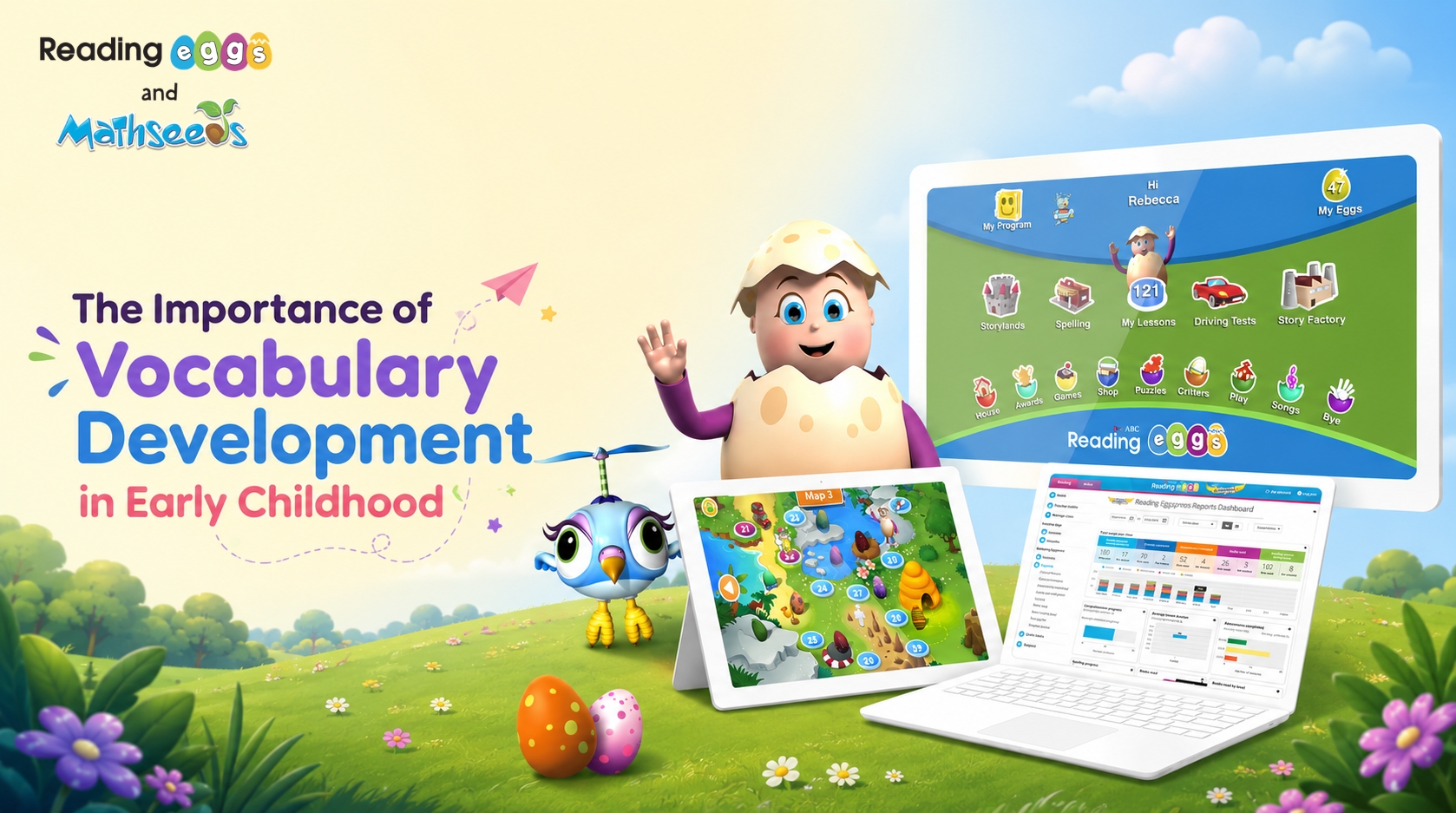
Reading Eggs and Mathseeds with Ratna Sagar provides comprehensive FLN support aligned with NEP 2020 guidelines. This award-winning platform offers structured programmes covering pre-nursery through class 8 with emphasis on foundational skills.
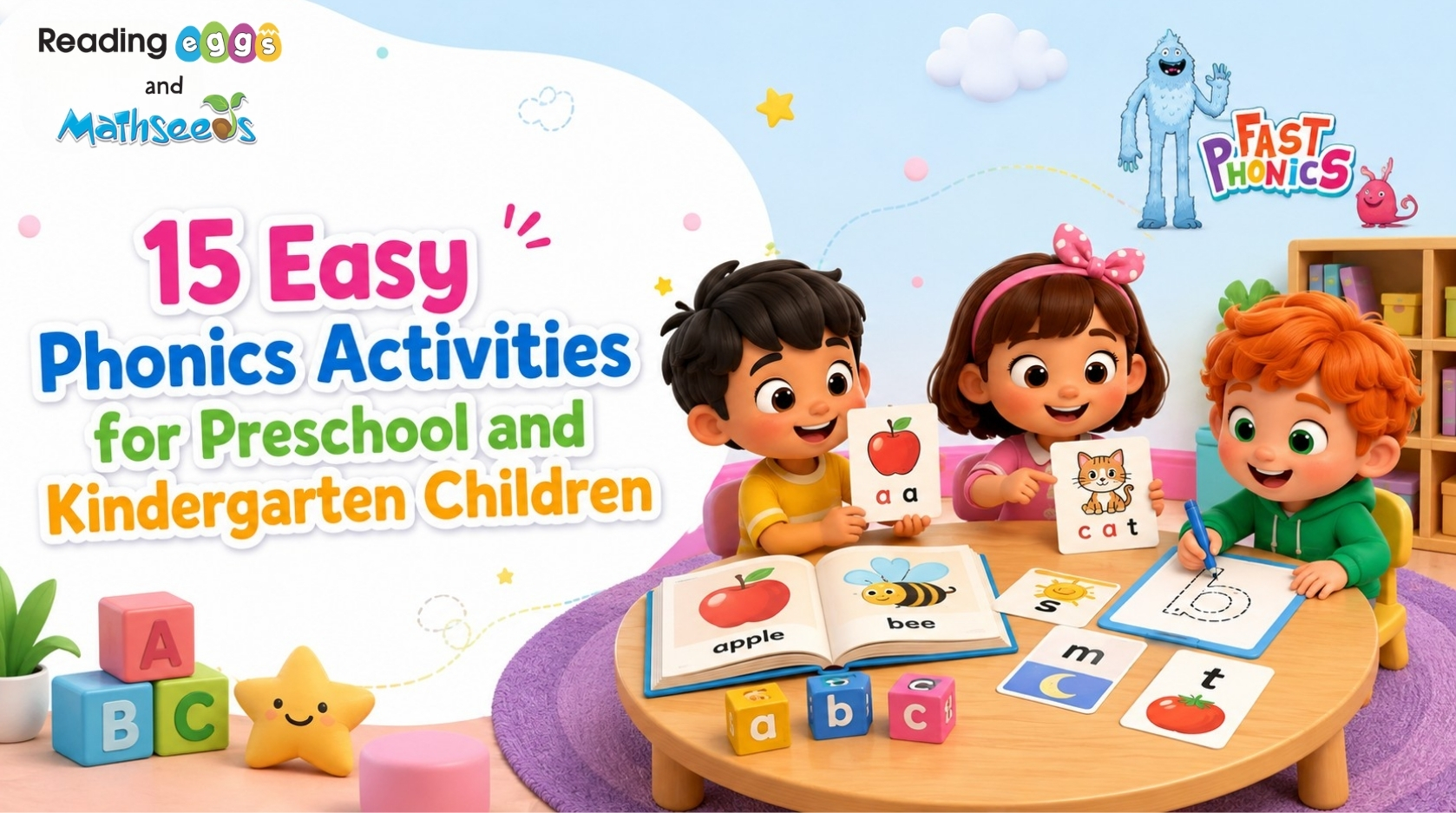
For literacy, Reading Eggs and Mathseeds offers phonics instruction through Fast Phonics. Over 3500 eBooks build comprehension and vocabulary. For numeracy, Mathseeds delivers interactive lessons covering number concepts and problem-solving.
The platform's self-paced structure ensures children master concepts before advancing. It includes over 5000 printable worksheets for hands-on practice. With 24/7 unlimited access, families can integrate FLN-focused learning conveniently.
Practical Strategies for Parents Supporting FLN
Parents play crucial roles in FLN development. Create print-rich home environments with accessible books. Read aloud daily to build vocabulary and comprehension. Encourage children to tell stories and express opinions verbally.
Point out numbers in everyday contexts - house addresses and prices. Play board games involving counting or adding. Ask open-ended questions that require thinking. Make learning enjoyable rather than pressured.
Challenges in FLN Implementation
Despite strong policy support, FLN implementation faces challenges. Many teachers need additional training. Large class sizes make individualized attention difficult. Language diversity creates complexity as children learn best in mother tongues. Assessment systems must shift from rote testing to competency-based evaluation.
Measuring FLN Progress
Regular assessment helps track foundational skill development. Reading fluency checks measure how many grade-appropriate words children read correctly. Comprehension assessments verify understanding.
For numeracy, assessments check whether children can count, recognize numbers and solve simple problems. Parents can monitor progress by observing whether children read voluntarily and approach mathematical tasks confidently.
Conclusion
Understanding the FLN full form in education - Foundational Literacy and Numeracy - is just the beginning. The real impact comes when children develop these essential capabilities. The FLN meaning extends beyond definitions to encompass every child's right to master basic skills that enable lifelong learning.
Platforms like Reading Eggs and Mathseeds with Ratna Sagar provide structured pathways for FLN development. By combining research-based instruction with interactive experiences, these tools support NEP 2020 goals. Focusing on FLN during early childhood represents one of the most impactful investments in children's futures.
Frequently Asked Questions
Q1: What is the FLN full form in education?
FLN stands for Foundational Literacy and Numeracy. It represents the basic reading, writing and mathematical skills children should master by the end of Grade 3.
Q2: By what age should children achieve FLN competency?
According to NEP 2020, children should develop FLN competency by Grade 3, typically around age 8-9. The national goal aims for universal FLN achievement by 2025.
Q3: How does FLN differ from traditional early education?
FLN emphasizes competency-based learning over rote memorization. It focuses on practical application of literacy and numeracy skills rather than just textbook knowledge and examination scores.
Q4: Can digital platforms effectively support FLN development?
Yes. Quality digital platforms like Reading Eggs and Mathseeds provide structured, interactive learning experiences that complement classroom instruction. They offer practice, immediate feedback and personalized pacing essential for FLN mastery.
Q5: What role do parents play in FLN development?
Parents are crucial FLN partners. Reading together, having conversations, pointing out numbers in daily life and creating supportive learning environments significantly impact children's foundational skill development.